
Leather jackets are valued for their durability, style, and timeless appearance, but peeling can quickly ruin their look. Whether you own a classic Pelle Pelle jacket or another leather-style garment, understanding why peeling happens can help you prevent damage and extend its life. Peeling is especially common in faux leather and bonded leather, although certain types of finished leather can also develop surface damage.
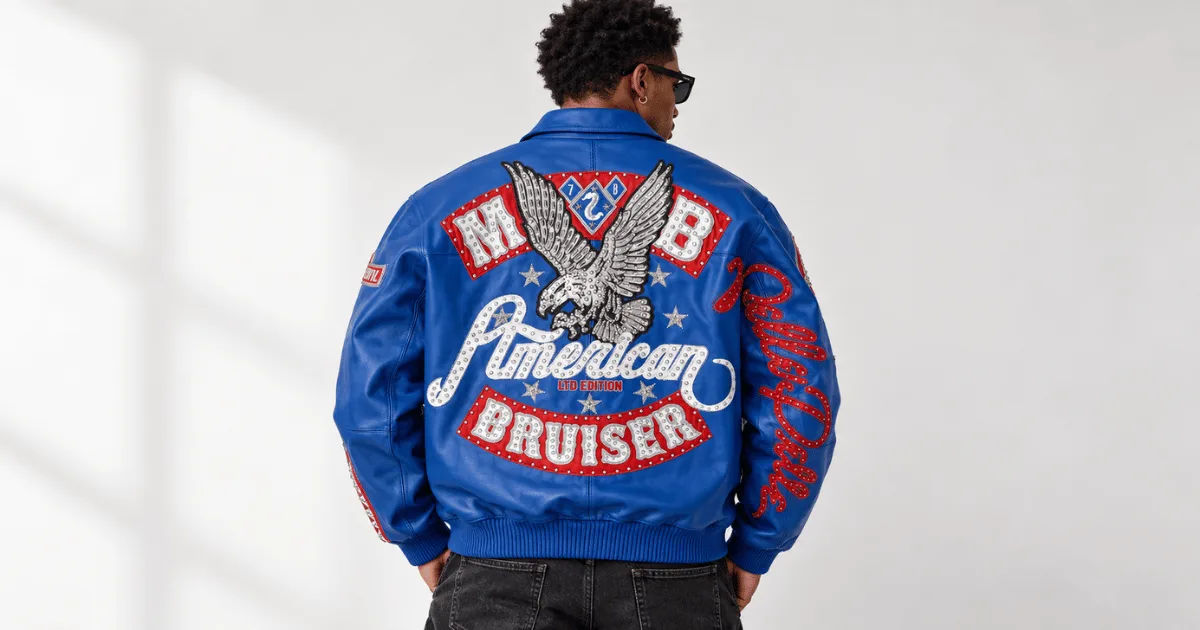
This comprehensive guide explains the main reasons leather jackets start peeling, how to identify the material, what causes the outer layer to break down, whether peeling can be repaired, and how proper care can prevent further damage.
Why Leather Jackets Peel
Before trying to fix a peeling jacket, it is important to understand what is actually peeling. Genuine leather is made from animal hide, so the material itself does not normally peel in the same way as synthetic leather.
In many cases, the peeling layer is a surface coating rather than the leather underneath.
Synthetic materials such as polyurethane, commonly called PU leather, are particularly likely to peel. These jackets often have a fabric base covered with a plastic-like coating designed to look and feel similar to genuine leather.
When that coating becomes weak, it begins to crack, flake, or peel away from the fabric underneath.
Genuine Leather vs. Faux Leather
One of the first steps is determining what your jacket is made from. Genuine leather generally develops scratches, dryness, cracks, stains, and discoloration rather than large sheets of peeling material.
Faux leather, on the other hand, can develop obvious flakes or patches where the top coating separates from the underlying fabric.
Bonded leather can also experience peeling because it contains leather fibers combined with synthetic materials and a protective surface coating.
A high-quality Pelle Pelle jacket made from genuine leather may require different maintenance from a synthetic fashion jacket, so knowing the material is essential before applying any product.
Common Causes of Leather Jacket Peeling
Several factors can cause a leather jacket's surface to deteriorate. Sometimes peeling develops because of natural aging, while other times poor storage or incorrect cleaning speeds up the process.
Poor Material Quality
The quality of the material has a major influence on how long a jacket remains attractive.
Low-quality synthetic leather often has a relatively thin polyurethane coating. Over time, this coating loses flexibility and begins to separate from the fabric beneath it.
A jacket may look excellent when new but start showing small cracks after repeated use.
Higher-quality materials generally last longer, but no synthetic coating is completely immune to aging.
Age and Natural Breakdown
Every material has a useful lifespan. Synthetic leather is especially affected by gradual chemical breakdown.
Polyurethane can undergo a process called hydrolysis. In simple terms, moisture and environmental conditions can cause the polyurethane coating to break down chemically.
The result can be a sticky, cracked, or flaky surface.
This means an older faux leather jacket may begin peeling even when it has not been heavily worn.
Excessive Moisture
Water itself does not automatically destroy every leather jacket, but excessive moisture can cause problems.
Repeated exposure to rain, humidity, sweat, and damp storage conditions can weaken certain leather finishes and synthetic coatings.
If a jacket becomes wet, allowing it to dry naturally in a well-ventilated area is usually safer than placing it directly next to a heater.
For a Pelle Pelle jacket, following the manufacturer's care instructions is particularly important because different leather finishes may react differently to moisture.
Heat and Direct Sunlight
High temperatures can dry out leather and accelerate deterioration of synthetic coatings.
Leaving a jacket in direct sunlight for long periods can also cause fading and surface damage. A jacket stored inside a hot car is exposed to both heat and intense sunlight, which can accelerate aging.
Radiators, fireplaces, heaters, and hot drying machines can create similar problems.
The safest approach is to keep your jacket away from intense heat and allow it to dry at room temperature.
How Sweat and Body Oils Affect a Jacket
Leather jackets come into frequent contact with the neck, arms, shoulders, and back. These areas are naturally exposed to sweat and body oils.
Over time, repeated exposure can affect certain finishes.
Sweat contains salts and moisture, while skin oils can accumulate on the surface. If the jacket is not cleaned appropriately, this buildup may contribute to deterioration.
This is one reason collars, cuffs, and areas around the shoulders sometimes show damage before less frequently touched sections.
Regular but gentle cleaning can help reduce buildup without unnecessarily stressing the material.
Incorrect Cleaning Can Cause Peeling
One of the most common mistakes is treating leather like ordinary fabric.
Strong detergents, household cleaners, alcohol-based products, bleach, and abrasive materials can damage leather finishes.
Scrubbing aggressively may remove protective coatings or create tiny surface cracks that eventually become larger areas of peeling.
A Pelle Pelle jacket should not automatically be cleaned with whatever leather product happens to be available. Always check the care label and, when necessary, consult a professional leather cleaner.
Avoid Excessive Water
Soaking a leather jacket is rarely a good idea.
Even if the jacket appears clean afterward, excessive water can affect its structure, dyes, and surface finish.
Instead of saturating the jacket, use the cleaning method recommended for its specific material.
Poor Storage Can Accelerate Damage
How you store a jacket matters almost as much as how you wear it.
Folding a leather jacket tightly for long periods can create permanent creases. If the material is synthetic, those stressed areas may eventually crack and peel.
Hanging the jacket on a suitable broad hanger helps maintain its shape.
Avoid wire hangers because they can create pressure points in the shoulders.
A cool, dry, ventilated wardrobe is generally better than a damp basement, hot storage room, or sealed plastic bag.
Give the Jacket Enough Air
Leather needs appropriate ventilation.
Storing a jacket inside an airtight plastic container can trap moisture. This can contribute to unpleasant odors and may accelerate deterioration in some materials.
A breathable garment cover is usually a better option for long-term storage.
Can Peeling Leather Be Repaired?
The answer depends on the material and the extent of the damage.
Minor surface damage can sometimes be improved with appropriate leather repair products. However, once a synthetic coating has extensively separated from its backing, a simple conditioner cannot reverse the chemical breakdown.
This distinction is important.
Leather conditioner can help maintain certain types of genuine leather, but it cannot restore a polyurethane coating that has already deteriorated.
Small Peeling Areas
If only a small section has started peeling, a leather repair professional may be able to clean the damaged area, remove loose material, and apply a compatible repair compound.
The repaired section may look significantly better, although it may not become completely invisible.
Color matching is another important consideration. A repair compound must closely match the jacket's original finish.
Extensive Peeling
When large sections are peeling, repair becomes more difficult.
If the entire surface coating has started breaking down, fixing one area may only provide a temporary improvement because other sections can continue peeling.
For an expensive or sentimental Pelle Pelle jacket, professional assessment may be worthwhile before attempting a DIY repair.
Can You Prevent a Leather Jacket From Peeling?
Prevention is much easier than repairing widespread peeling.
The first step is purchasing a jacket made from a durable material. Genuine leather can be more expensive initially, but quality leather can last for many years with proper care.
Synthetic leather can still be a good choice, but buyers should understand that its lifespan may be different.
Clean the Jacket Correctly
Use products specifically designed for the jacket's material.
Before applying any cleaner or conditioner, test it on a small, hidden area if the care instructions allow testing.
Never assume that a product suitable for one leather jacket will automatically be suitable for another.
Different finishes, dyes, and coatings require different approaches.
Avoid Unnecessary Exposure
Try not to wear your jacket in extreme weather when it is not designed for those conditions.
Rain, intense sunlight, excessive heat, and high humidity can all contribute to premature deterioration.
If you wear a Pelle Pelle jacket frequently, rotating it with other outerwear can also reduce the amount of daily stress placed on the material.
What Should You Do If Your Jacket Gets Wet?
Accidents happen. A leather jacket can get caught in rain or exposed to spilled liquid.
The important thing is to respond correctly.
First, gently blot excess moisture using a clean, soft cloth. Do not rub aggressively.
Next, hang the jacket in a cool, ventilated location and allow it to dry naturally.
Do not use a hair dryer, radiator, clothes dryer, or other direct heat source.
Once completely dry, follow the manufacturer's recommended conditioning or maintenance instructions.
Why Does Peeling Sometimes Happen in Certain Areas First?
Peeling is rarely distributed perfectly evenly.
Areas that experience repeated movement and friction tend to deteriorate faster.
The elbows, cuffs, shoulders, collar, waist, and areas that rub against bags or vehicle seats can experience more stress than other parts of the jacket.
Repeated bending can create microscopic cracks in a synthetic coating. Eventually, those cracks connect and larger pieces begin separating.
This is why a jacket may appear perfectly healthy in some places while showing significant peeling in others.
Does Leather Conditioner Stop Peeling?
Leather conditioner can be useful for maintaining appropriate types of genuine leather, but it is not a universal solution.
Conditioners are designed primarily to help certain leather surfaces remain supple and reduce excessive dryness.
They cannot repair a synthetic coating that is chemically breaking down.
Applying too much product can also create problems. Excessive oils or unsuitable conditioners may alter the appearance of some finishes.
For this reason, identify the jacket material before choosing a maintenance product.
A Pelle Pelle leather garment with a particular finish may have specific care requirements that differ from a generic leather jacket.
Should You Try a DIY Repair?
DIY repair can make sense for inexpensive jackets or very small damaged areas.
Leather repair kits commonly include compounds, colorants, patches, or adhesives. These can sometimes improve the appearance of limited damage.
However, DIY repair requires patience.
Using the wrong color, adhesive, or repair compound can make the damaged area more noticeable.
For valuable designer jackets, professional repair is usually the safer choice.
When Professional Repair Makes Sense
Consider professional help when the jacket is expensive, sentimental, heavily damaged, or made from unusual leather.
A professional can identify the material, determine whether the problem is surface damage or deeper deterioration, and recommend the most appropriate treatment.
This can be especially useful when restoring a high-value Pelle Pelle jacket that you want to keep for many years.
How Long Should a Leather Jacket Last?
There is no single lifespan for every leather jacket.
A high-quality genuine leather jacket that receives appropriate care can potentially last for many years or even decades.
Synthetic leather generally has a shorter expected lifespan because its surface coating can eventually deteriorate.
Usage also matters.
A jacket worn several times every week will naturally experience more friction, sweat, bending, and environmental exposure than one worn occasionally.
Storage conditions and cleaning habits can make a major difference as well.
Signs That a Jacket Is Starting to Deteriorate
Recognizing early warning signs can help you take action before major peeling develops.
Look for small cracks around seams, elbows, cuffs, and areas that bend frequently.
A synthetic jacket may also begin feeling unusually dry, sticky, stiff, or rough.
Tiny flakes around the collar or sleeves can indicate that the surface coating is beginning to fail.
If you notice these changes, stop using harsh cleaning products and review the manufacturer's care instructions.
Early attention may slow additional damage, although chemical deterioration of synthetic leather cannot always be stopped.
Common Mistakes to Avoid
One major mistake is using household cleaning chemicals on a leather jacket.
Another is exposing the jacket to direct heat after it becomes wet.
Some owners also store jackets in damp environments or sealed plastic bags for long periods.
Aggressive scrubbing is another problem.
Finally, trying to repair extensive synthetic peeling with ordinary leather conditioner often leads to disappointment because conditioning cannot replace a deteriorated polyurethane coating.
When Should You Replace a Peeling Jacket?
Replacement may be the most practical option when the peeling is widespread and the underlying material is significantly exposed.
If the jacket continues shedding material every time you touch it, a small repair may not provide a lasting solution.
However, replacement is not always necessary.
If the jacket has sentimental value or is made from high-quality genuine leather, professional restoration may be worthwhile.
For a valuable Pelle Pelle piece, getting an expert opinion before discarding it can help you determine whether restoration is realistic.
Conclusion
Leather jacket peeling can happen for several reasons, including material quality, age, moisture, heat, friction, poor storage, and improper cleaning. Understanding the difference between genuine leather, bonded leather, and synthetic leather is the first step toward choosing the right care method.
Not every peeling jacket can be restored. When synthetic polyurethane has chemically deteriorated, conditioning products cannot reverse the process. Minor damage may be repairable, while extensive peeling may require professional restoration or replacement.
Good maintenance can still make a significant difference. Keep your jacket away from excessive heat and sunlight, avoid harsh cleaners, store it in a cool and ventilated location, and follow the manufacturer's care instructions.
A quality Pelle Pelle jacket deserves particular attention because proper maintenance can help preserve its appearance and extend its useful life. Most importantly, do not wait until large sections of the surface begin peeling before taking action. Regular inspection and careful handling can help you identify early signs of wear and deal with them before the problem becomes more serious.
In the end, the best way to prevent peeling is to understand the material, use appropriate care products, avoid damaging environmental conditions, and store the jacket properly. With the right habits, you can keep a leather jacket looking attractive, comfortable, and wearable for considerably longer.