
Beef is one of the most popular choices for making burgers because it offers a rich, savory flavor, a satisfying texture, and plenty of cooking versatility. From classic homemade burgers to restaurant-style cheeseburgers, the type of beef used can make a noticeable difference in the final result. However, choosing the right meat involves more than selecting a cut that tastes good. Fat content, freshness, grinding methods, and proper handling all influence the quality of the burger.
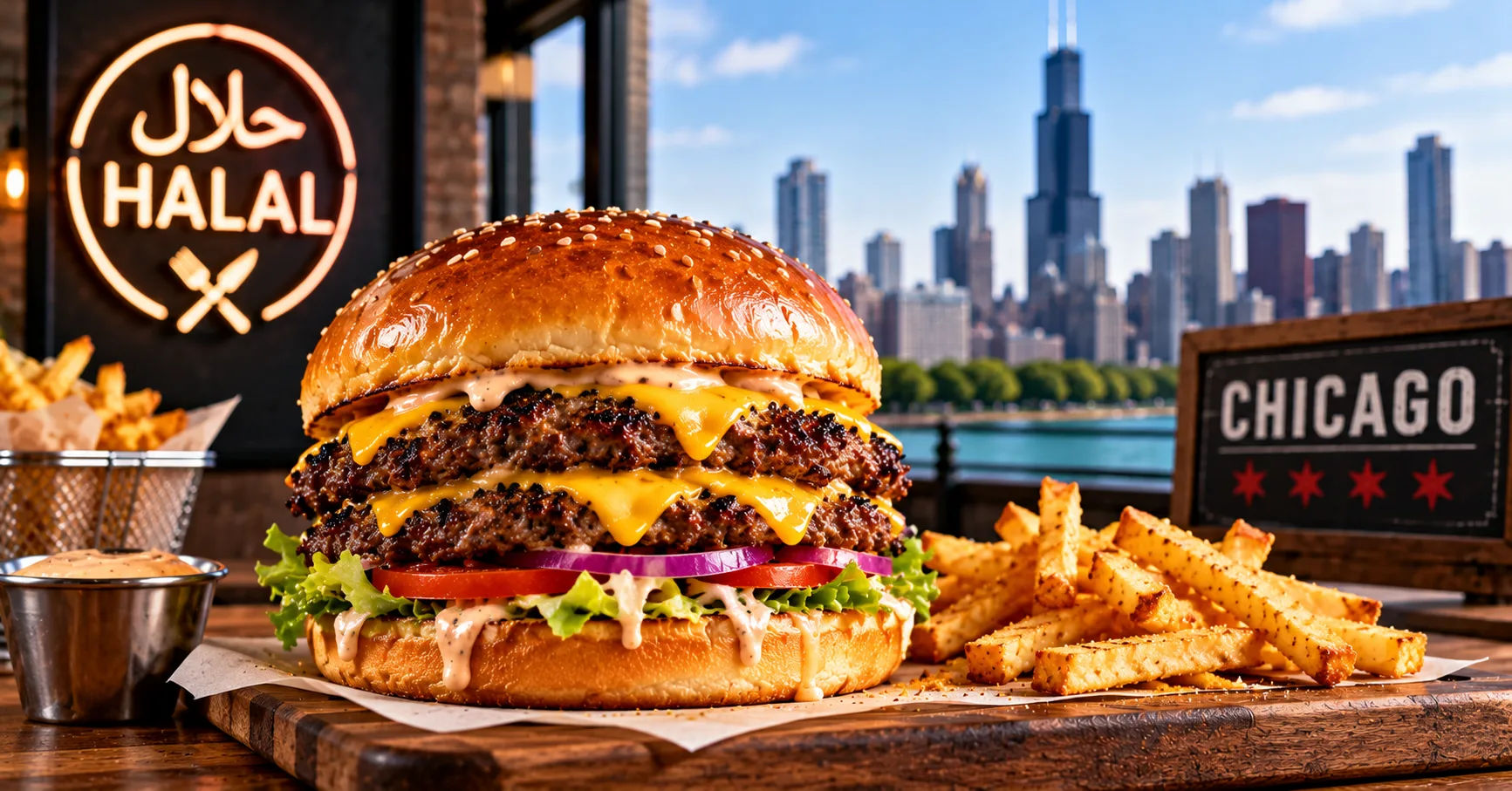
A Halal Beef Burger is made using beef that meets Islamic dietary requirements, including the relevant rules for sourcing and slaughtering the animal. The meat should also be handled appropriately, and the other ingredients must meet the consumer's halal requirements. Once these conditions are satisfied, cooks can choose from several beef cuts and blends to create a burger that is juicy, flavorful, and enjoyable.
Understanding which beef works best helps home cooks, restaurant owners, and burger enthusiasts make better decisions. Some cuts provide a rich beef flavor, while others offer a leaner texture or a more economical option. The right choice depends on the desired fat content, cooking method, budget, and personal taste.
This guide explores the best beef cuts for burgers, the importance of fat ratios, halal sourcing, grinding techniques, cooking tips, and common mistakes to avoid. By the end, you will understand how to choose suitable beef and prepare a burger with excellent flavor and texture.
What Type of Beef Is Used for a Halal Beef Burger?
Halal Beef Burger are made from ground beef rather than a single solid cut. Butchers grind selected cuts together to create a mixture with the desired balance of lean meat and fat.
Common choices include chuck, brisket, and sirloin. Each cut has different characteristics, and combining them can help produce a burger with a balanced flavor and texture.
The first requirement is that the beef must come from a permissible source and satisfy applicable halal slaughter requirements. Buying from a trustworthy halal butcher or supplier is a practical way to begin. Recognized halal certification can provide additional assurance where available.
After confirming the source, consider the meat's quality and fat content. A burger made with suitable beef and a balanced fat ratio will generally cook more successfully than one made from an unsuitable or excessively lean mixture.
Ground Beef: The Most Common Choice
Ground beef is popular because it cooks quickly, is easy to shape, and can be seasoned in many different ways. It is suitable for skillet burgers, grilled burgers, smash burgers, and thick homemade patties.
The quality depends on the cuts used, the fat percentage, freshness, and how the meat is ground. Freshly ground beef from a reliable butcher can be an excellent option when its halal status and handling are verified.
Why Butchers Combine Different Cuts
Different beef cuts provide different qualities. Chuck often contributes a balanced beef flavor and fat content, brisket can add richness, and sirloin may contribute a distinctive beef taste.
A butcher can combine these cuts to achieve a particular result. For example, a blend containing chuck and brisket may produce a rich, juicy burger, while a leaner blend can suit people who prefer less fat.
There is no single blend that is best for every burger. The ideal mixture depends on how thick the patty is, how it will be cooked, and the texture you want.
The Best Beef Cuts for Burgers
Chuck is one of the most popular cuts for making burgers. It comes from the shoulder area of the animal and typically offers a good balance of beef flavor, lean meat, and fat.
Its natural composition makes it suitable for patties that need to remain juicy while developing a flavorful crust. Chuck is also widely used in burger blends because it can provide a reliable starting point for different recipes.
For many home cooks, ground chuck is an excellent choice for a traditional beef burger. It works well on a grill, in a skillet, or on a flat-top griddle.
2. Beef Brisket
Brisket comes from the lower chest area of the animal. It is known for its rich flavor and connective tissue, and it is commonly used for slow-cooked dishes.
When selected and trimmed appropriately, brisket can also be ground for burgers. Its fat content varies depending on the section and how much fat is removed, so it is important to assess the actual mixture rather than assuming every brisket portion has the same composition.
Brisket is often combined with chuck to add depth and richness. The precise ratio depends on the fat content of both cuts and the desired texture.
3. Beef Sirloin
Sirloin comes from the back of the animal and is valued for its beefy flavor. It is generally leaner than many chuck cuts, although the exact fat content varies by section and trimming.
Ground sirloin can make a flavorful burger, especially for people who prefer a less fatty patty. However, a very lean sirloin mixture may become dry when cooked, particularly if the patty is thin or left on the heat for too long.
For this reason, sirloin is sometimes combined with fattier cuts to improve juiciness.
4. Beef Short Rib
Short rib meat is known for its rich flavor and can add a luxurious quality to a burger blend. The fat content varies with trimming and the particular cut, so it should be considered as part of the overall mixture.
Short rib is often combined with chuck or another cut rather than used alone. This allows cooks to balance richness, cost, and texture.
It may be a more expensive option than standard ground chuck, making it especially suitable for premium restaurant burgers or special homemade meals.
5. Round Beef
Round cuts come from the rear leg area and are generally leaner than chuck. They can be ground into burger meat and may be suitable for people who prefer a lower-fat option.
However, ground round can produce a firmer, drier burger if it contains too little fat. Cooking it carefully and avoiding excessive heat exposure can help, but the initial fat ratio remains important.
Round beef is also useful when affordability and lean meat are priorities.
What Fat Percentage Is Best for a Beef Burger?
Fat content is one of the most important factors when selecting ground beef. It affects flavor, juiciness, texture, and how much the patty shrinks during cooking.
For many traditional burgers, ground beef containing around 80% lean meat and 20% fat is a useful starting point. This ratio provides enough fat for a rich flavor without making the burger excessively greasy.
However, the ideal ratio can vary depending on the cooking method.
80/20 Ground Beef
An 80/20 mixture contains approximately 80% lean meat and 20% fat by weight. It is a popular choice for juicy homemade burgers and restaurant-style patties.
The fat helps lubricate the meat during cooking and contributes to a satisfying texture. It also carries flavor, making the burger taste richer.
This blend is particularly useful for grilling and skillet cooking, although some fat will render out during the process.
85/15 Ground Beef
An 85/15 mixture contains approximately 85% lean meat and 15% fat. It provides a middle ground between juiciness and lower fat content.
This option can work well for everyday burgers, especially when you want a flavorful patty without as much rendered fat.
Because it contains less fat than an 80/20 mixture, it is important to avoid overcooking it.
90/10 Ground Beef
A 90/10 mixture contains approximately 90% lean meat and 10% fat. It is a leaner choice that can suit people who want to reduce the fat content of their meal.
However, lean ground beef requires more careful cooking. Thin patties can dry out quickly, particularly on a very hot griddle.
Adding fresh vegetables and a suitable sauce may improve the eating experience, but these ingredients cannot fully replace the moisture and texture provided by fat within the meat.
Remember that these figures describe the approximate fat content of the ground beef, not the total fat content of the finished burger. Cheese, sauces, buns, and cooking methods also influence the nutritional profile.
How to Choose Halal Beef for Burgers
Selecting the right cut is important, but verifying the source of the meat is essential when halal compliance matters.
Buy From a Reliable Halal Supplier
Choose a butcher, supermarket, or meat supplier that can provide credible information about the beef's origin and halal status.
Where available, recognized halal certification can help verify that the product meets the requirements of the certifying organization. Standards and certification practices can vary, so check the details if you follow a particular certification standard.
Do not assume that all ground beef is halal simply because it contains beef. The source and slaughter requirements still matter.
Check the Label on Packaged Ground Beef
Packaged beef may include information about the cut, fat percentage, production date, storage instructions, and certification.
Read the label carefully, especially when purchasing pre-seasoned or prepared burger patties. Plain ground beef generally has a simpler ingredient list, while prepared products may contain binders, flavorings, or other ingredients that require checking.
If information is missing or unclear, ask the retailer or supplier before buying.
Look at Freshness and Appearance
Fresh ground beef may appear bright red on the outside, while the interior can look darker because it has had less exposure to oxygen. Color alone cannot reliably establish freshness or safety.
Check the use-by date, packaging condition, storage temperature, and smell. Avoid meat with a sour or unpleasant odor, damaged packaging, or other signs of spoilage.
Ground beef is more perishable than an intact steak because grinding spreads surface bacteria throughout the product. Keep it refrigerated and cook it promptly according to food safety guidance.
Avoid Cross-Contact
If halal compliance is important, ensure the meat is handled using appropriate procedures to prevent contact with prohibited ingredients.
At a butcher shop, you can ask whether the grinder and preparation equipment are managed to prevent cross-contact with pork or non-halal meat. At home, use clean equipment and separate raw meat from ready-to-eat foods.
Should You Buy Freshly Ground or Packaged Beef?
Both freshly ground and packaged beef can produce excellent burgers. The best option depends on the reliability of the supplier, the meat's freshness, and your cooking needs.
Freshly Ground Beef
Freshly ground beef from a reputable halal butcher offers flexibility. You can request chuck, brisket, sirloin, or a custom blend with a particular fat ratio.
A butcher may also be able to grind the meat to a specific texture. This is useful when you want coarse-ground patties with a more noticeable meat texture.
However, freshly ground meat should still be handled safely. Ask when it was ground, keep it cold during transport, and avoid leaving it at room temperature for extended periods.
Packaged Ground Beef
Packaged ground beef is convenient because the weight, fat percentage, and storage information are often clearly stated.
It can be a good choice when you have limited time or want consistent results. Look for intact packaging, appropriate refrigeration, and reliable halal information.
Once opened, handle the beef hygienically and follow the storage guidance on the package. Do not use meat that has been stored improperly or shows signs of spoilage.
Which Option Is Better?
Neither option is automatically superior. Freshly ground beef can offer customization, while packaged beef may provide convenience and clear product information.
For a good burger, prioritize verified halal sourcing, freshness, suitable fat content, and safe storage over the idea that one purchasing method is always best.
How to Prepare Beef for a Halal Beef Burger
Once you have chosen suitable beef, the next step is preparing it correctly. Good preparation helps preserve the meat's texture and makes the patties easier to cook.
Step 1: Keep the Beef Cold
Remove the ground beef from the refrigerator shortly before shaping the patties. Cold meat is easier to handle, and keeping it refrigerated reduces the risk of bacterial growth.
Use clean hands and utensils, and avoid leaving raw beef at room temperature for long periods.
Step 2: Divide the Meat Into Portions
For standard homemade burgers, portions of around 120–180 grams can work well, depending on the desired patty thickness and bun size.
For smash burgers, smaller portions are usually more practical because the meat will be pressed into thin patties on a hot griddle.
Try to keep portions consistent so that the burgers cook at a similar rate.
Step 3: Shape the Patties Gently
For traditional burgers, form the ground beef into a round patty without compressing it too firmly. Excessive handling can make the texture dense.
Make a shallow indentation in the center of a thicker patty if you want to help reduce excessive bulging during cooking.
For smash burgers, you can instead shape the beef into loose balls and press them onto the hot cooking surface just before cooking.
Step 4: Season the Meat
Salt and black pepper are enough for many burgers. You can also use garlic powder, onion powder, or other suitable seasonings.
For thin smash patties, seasoning the outside shortly before or during cooking helps preserve the meat's texture. For thicker burgers, season the surface evenly.
Check the ingredients of packaged spice blends if you need to confirm their halal suitability.
Step 5: Cook Thoroughly
Cook the patties using your preferred method, whether that is a skillet, griddle, or grill.
Ground beef should reach an internal temperature of 71°C (160°F) for food safety. Use a food thermometer to check the temperature rather than relying only on the patty's color.
Avoid pressing thick patties repeatedly during cooking, as this can release juices and make the meat drier.
Which Beef Is Best for Different Burger Styles?
The ideal beef depends on the style of burger you want to prepare. Different cuts and fat ratios offer different results.
Classic grilled burger
Ground chuck with approximately 20% fat is a reliable option. It provides a balance of beef flavor, juiciness, and structure, making it suitable for thicker patties.
Ground chuck or a carefully balanced chuck blend works well. Moderate fat content supports flavor, while the thin patty develops a browned crust on the hot griddle.
Gourmet burger
A blend of chuck and brisket, or a blend that includes short rib, can create a richer flavor. The precise ratio should depend on the fat content of the cuts and the desired texture.
Leaner burger
Ground sirloin or round can suit people who prefer leaner meat. Cook carefully to prevent dryness, and consider adding vegetables for freshness and texture.
These are starting points rather than strict rules. A well-prepared burger depends on the actual composition of the ground meat, the cooking technique, and the cook's preferences.
Common Mistakes When Choosing Beef for Burgers
Even good-quality beef can produce a disappointing burger if the meat is unsuitable or handled incorrectly. Avoiding a few common mistakes can make a significant difference.
Choosing Meat That Is Too Lean
Very lean beef may produce a dry burger, particularly when cooked as a thin patty. If you prefer lean meat, pay close attention to cooking time and temperature.
Assuming Every Cut Has the Same Fat Content
The fat content of chuck, brisket, sirloin, and short rib varies depending on trimming and the particular section. Choose beef based on its actual composition rather than the cut's name alone.
Overworking the Ground Beef
Repeatedly kneading or compressing ground meat can create a dense texture. Handle the beef gently when shaping traditional patties.
Ignoring Halal Verification
Beef is not automatically halal simply because it comes from a cow. Verify the source and applicable slaughter requirements, and check any processed ingredients used in prepared patties.
Neglecting Food Safety
Ground beef requires careful handling because grinding can distribute bacteria throughout the meat. Keep it refrigerated, clean preparation surfaces, and cook it to the recommended internal temperature.
Conclusion
The best beef for a Halal Beef Burger is usually ground chuck or a carefully prepared blend of suitable beef cuts. Chuck is a popular choice because it provides a good balance of flavor, fat, and texture. Brisket can add richness, sirloin can contribute a distinctive beef flavor, and short rib can create a more indulgent blend. Round beef is another option for people who prefer leaner meat.
For most traditional burgers, ground beef containing around 20% fat is an excellent starting point. An 85/15 blend can also work well when you want a balance between flavor and lower fat content. Leaner mixtures are possible, but they require careful cooking to avoid dryness.
Halal sourcing remains essential. Choose beef from a trustworthy supplier, check available certification, and make sure the preparation process prevents cross-contact with prohibited ingredients. Pay attention to seasonings, cheese, sauces, and other processed ingredients as well.
Finally, remember that good burger preparation is about combining the right meat with the right technique. Keep the beef cold before cooking, handle it gently, season it appropriately, and use a food thermometer to confirm that it is thoroughly cooked.
With these principles in mind, you can select suitable beef for homemade burgers, smash burgers, and gourmet creations. The ideal choice is one that meets your halal requirements, suits your preferred texture, and delivers the flavor you enjoy most.