
Choosing a professional for a kitchen renovation is an important decision for any homeowner. Before hiring a contractor, you should consider their experience, qualifications, reputation, and insurance coverage. If you are searching for a kitchen remodeler near me Jacksonville, one of the most important questions to ask is whether the contractor is properly insured. 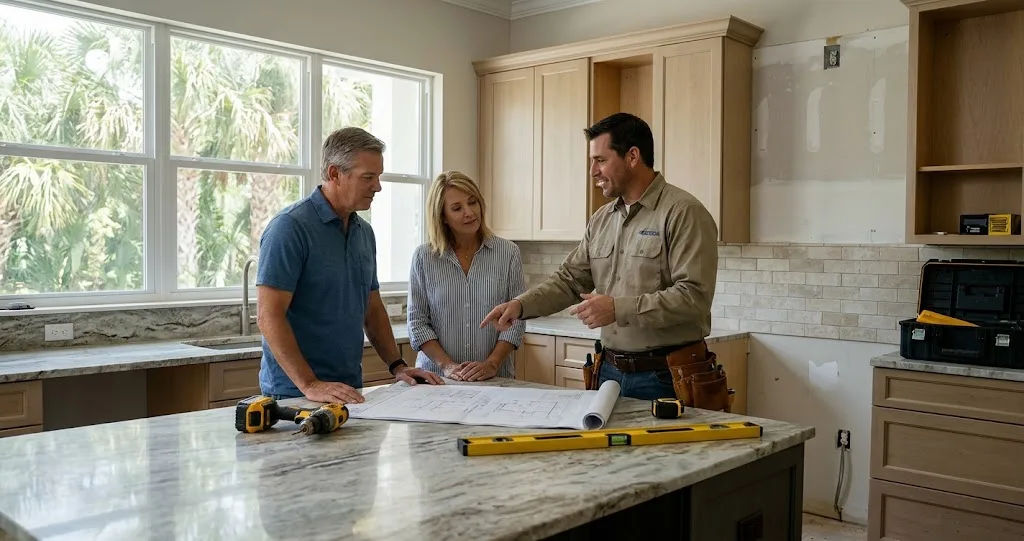 Kitchen remodeling involves several activities that can create risks, including electrical work, plumbing installations, cabinet replacement, countertop fitting, flooring, and structural changes. Even experienced professionals can encounter unexpected problems during a project. Insurance helps protect homeowners, contractors, and workers from certain financial losses when accidents, property damage, or injuries occur.
However, not every remodeling company carries the same type or amount of insurance. Some contractors may have general liability coverage, while others also maintain workers' compensation and commercial vehicle insurance. Understanding these differences can help you make a confident hiring decision.
This comprehensive guide explains why insurance matters, which policies a remodeling contractor should carry, how to verify coverage, and what questions to ask before signing an agreement. By understanding these details, you can protect your property and choose a qualified professional for your renovation.
Why Is Insurance Important for Kitchen Remodeling?
Insurance is an important part of responsible contracting. A kitchen renovation may look like a straightforward project, but it often involves multiple trades, expensive materials, specialized equipment, and several workers.
An unexpected accident can create significant expenses. For example, a plumber might accidentally damage a water line, causing water to spread into nearby rooms. An electrician could make an installation mistake that results in property damage.
Without appropriate insurance, resolving these situations may become difficult and expensive.
Protecting Your Property
Your kitchen contains valuable appliances, cabinets, flooring, countertops, and electrical equipment. During remodeling, some of these items must be removed, relocated, or replaced.
Even when contractors take precautions, accidental damage can happen.
General liability insurance can help cover eligible third-party property damage caused by the contractor's business operations, subject to the policy's terms, exclusions, and limits.
Before hiring a professional, ask how their insurance handles accidental damage to your home.
Protecting Homeowners From Unexpected Expenses
A renovation budget usually includes labor, materials, equipment, and installation costs. However, an accident can create expenses that were never included in the original estimate.
For instance, a worker might accidentally damage a neighboring property while carrying construction materials.
If the contractor has appropriate liability coverage, the insurance company may handle an eligible claim. Without coverage, the homeowner could face additional complications, particularly if responsibility is disputed.
Protecting Workers and Contractors
Kitchen remodeling professionals work with power tools, electrical equipment, heavy materials, and construction machinery.
These activities involve potential workplace injuries.
Workers' compensation insurance can help provide benefits for covered workplace injuries and occupational illnesses. It also helps contractors manage certain financial responsibilities associated with employee injuries.
A responsible remodeling company understands that protecting its employees is an essential part of operating a professional business.
What Types of Insurance Should a Kitchen Remodeler Carry?
Not all insurance policies provide the same protection. When evaluating a contractor, you should understand the major types of coverage relevant to kitchen remodeling.
General Liability Insurance
General liability insurance is one of the most important policies for remodeling businesses.
It generally provides protection against certain third-party claims involving bodily injury, property damage, and personal or advertising injury.
For example, imagine that a contractor accidentally drops a heavy countertop onto your existing flooring. If the incident qualifies under the policy, general liability coverage may help address the resulting claim.
However, homeowners should understand that general liability insurance does not automatically cover every remodeling problem.
Poor workmanship, faulty materials, contractual disputes, and damage to the contractor's own property may be excluded or handled differently.
Ask the contractor to explain the coverage limits and exclusions before work begins.
Workers' Compensation Insurance
Workers' compensation is another important consideration.
Kitchen renovation projects may require several workers, including installers, electricians, plumbers, carpenters, and flooring specialists.
If an employee gets injured while performing covered work, workers' compensation may help pay for medical expenses and provide other benefits according to applicable law.
Florida has specific workers' compensation requirements, and the rules depend on the industry, business structure, and number of employees.
Construction businesses generally face stricter requirements than many other businesses.
Do not assume that a contractor is exempt simply because the company is small. Ask for documentation and verify the business's status through the appropriate Florida resources.
Commercial Auto Insurance
Remodeling companies frequently use trucks, vans, and trailers to transport materials, equipment, and employees.
Personal auto insurance may not provide sufficient coverage for vehicles used in business operations.
Commercial auto insurance is designed for qualifying business vehicle activities.
It may provide liability protection when a covered business vehicle causes an accident, depending on the policy.
If a contractor regularly transports materials to your property, commercial vehicle coverage is another useful qualification to discuss.
Builder's Risk Insurance
Builder's risk insurance may be relevant for larger renovation projects.
This coverage is designed to protect certain buildings, structures, and construction materials against covered physical losses during construction.
The exact protection depends on the policy, including its exclusions and covered property.
For a major kitchen renovation involving extensive structural changes, ask whether builder's risk coverage is appropriate.
Your contractor, insurance professional, and homeowner's insurance provider can help determine which arrangements make sense.
Is a Kitchen Remodeler Near Me Jacksonville Required to Have Insurance?
Florida has specific licensing and insurance requirements for construction professionals. However, the exact requirements depend on the type of work being performed and the contractor's classification.
Some remodeling projects involve regulated construction activities, while others may include work that falls under different licensing categories.
A homeowner should never assume that every person advertising kitchen remodeling services has the same legal qualifications.
When evaluating a kitchen remodeler near me Jacksonville, ask whether the company holds the appropriate license for the work it performs and maintains the required insurance.
Florida Contractor Licensing
Florida regulates several categories of construction contractors.
Depending on the project, a professional may need a state-certified or locally registered license.
Electrical, plumbing, and other specialized trades may also require separate qualifications.
For example, replacing kitchen cabinets is different from modifying electrical circuits or relocating plumbing connections.
A contractor who handles multiple parts of a renovation should explain which work is performed by the company and which work is assigned to licensed subcontractors.
You can verify applicable licensing information through the Florida Department of Business and Professional Regulation.
Insurance and Licensing Are Different
A contractor's license and insurance policy serve different purposes.
Licensing demonstrates that a professional meets applicable legal and qualification requirements.
Insurance provides financial protection against certain covered risks.
One does not automatically guarantee the other.
Therefore, homeowners should check both before approving a remodeling project.
How Can You Verify a Kitchen Remodeler's Insurance?
Never rely entirely on a contractor's verbal statement that the business is insured.
Request documentation and verify that the policy is active before the project starts.
Request a Certificate of Insurance
A Certificate of Insurance, commonly called a COI, summarizes important information about a company's insurance coverage.
It typically identifies:
-
The insured business.
-
The insurance provider.
-
The policy numbers.
-
The types of coverage.
-
The effective and expiration dates.
-
The applicable coverage limits.
A certificate is useful for reviewing basic insurance information.
However, it is not the actual insurance policy and does not change the terms of coverage.
If you have questions about specific exclusions or protections, ask the contractor or insurance agent for clarification.
Contact the Insurance Provider
One of the most reliable ways to confirm coverage is to contact the insurance company or authorized agent using independently verified contact information.
Ask whether the policy is active and whether the named business matches the company you intend to hire.
You can also ask whether the coverage applies to the type of renovation work being performed.
This step is particularly important when a contractor provides an old certificate or documentation that appears incomplete.
Check Policy Expiration Dates
Insurance coverage must remain active throughout the renovation.
A contractor might provide a valid certificate during the estimate process, but the policy could expire before the project is completed.
Check the expiration date and ask for updated documentation when necessary.
For longer projects, request confirmation that the contractor will maintain appropriate coverage until the work is finished.
Verify Subcontractor Insurance
Some remodeling companies hire independent subcontractors for plumbing, electrical work, flooring, and other specialized services.
The main contractor's insurance does not necessarily provide complete protection for every subcontractor.
Ask whether each subcontractor carries appropriate insurance and licensing for their assigned work.
You should also understand who is responsible for coordinating the different trades.
A professional contractor should be comfortable explaining these arrangements.
What Questions Should You Ask Before Hiring a Remodeler?
Asking clear questions can help you identify potential problems before construction begins.
A reliable professional should answer your questions directly and provide reasonable documentation.
Are You Fully Insured?
Start with a simple question about insurance coverage.
Ask which policies the business maintains and whether the coverage is appropriate for kitchen remodeling.
Avoid accepting vague answers such as "We are covered" without supporting documentation.
Can You Provide a Current Certificate of Insurance?
Request a certificate showing the business's current insurance information.
Review the policy dates, coverage types, and listed business name.
If something is unclear, ask the insurance agent for an explanation.
Do Your Subcontractors Carry Insurance?
Find out whether the company uses subcontractors and how their insurance is verified.
This is especially important when your renovation includes plumbing, electrical installations, or other specialized work.
Are You Properly Licensed for This Project?
Ask for the contractor's license information and verify it through the relevant Florida licensing authority.
If subcontractors will perform regulated work, ask whether they hold the appropriate qualifications.
What Happens If Accidental Damage Occurs?
A professional contractor should explain the procedure for reporting and addressing accidental damage.
Ask who will document the incident, contact the insurer, and communicate with you during the claims process.
Having this information before construction begins can reduce confusion later.
What Risks Can Occur During Kitchen Remodeling?
Understanding common renovation risks helps explain why insurance matters.
Even a well-organized project can encounter unexpected situations.
Water Damage
Plumbing modifications are common during kitchen renovations.
Replacing sinks, faucets, dishwashers, and water supply lines may require disconnecting and reconnecting plumbing components.
An improperly secured connection can leak and damage cabinets, flooring, drywall, or nearby rooms.
A qualified professional should test plumbing connections before considering the installation complete.
Electrical Accidents
Kitchen remodeling often involves adding outlets, upgrading lighting, or relocating electrical appliances.
Electrical mistakes can create fire hazards, equipment damage, and serious injuries.
Electrical work should be performed by appropriately qualified professionals.
Insurance may address certain resulting claims, but it should never replace proper safety procedures.
Accidental Structural Damage
Some homeowners decide to remove walls or change the kitchen layout.
These changes may involve structural considerations, especially when a wall supports part of the building.
An inexperienced worker could damage important building components.
Before approving structural modifications, ensure that the contractor has the necessary qualifications, permits, and professional support.
Material Handling Accidents
Countertops, cabinets, appliances, and flooring materials can be heavy and difficult to transport.
Workers may accidentally damage doorways, walls, stairs, or existing furniture.
Proper handling procedures and suitable insurance help reduce the risks associated with these activities.
Does Homeowners Insurance Cover Kitchen Remodeling Accidents?
Homeowners insurance may provide certain protections during a renovation, but coverage depends on the specific policy.
Some policies cover qualifying sudden and accidental damage, while others contain limitations for construction activities, vacant properties, or particular types of losses.
For example, a sudden covered water loss may be treated differently from damage caused by gradual deterioration or faulty workmanship.
Homeowners should contact their insurance provider before beginning a major kitchen renovation.
Inform Your Insurance Company Before Construction
Tell your insurer about the planned renovation.
Explain the expected project size, construction period, and major changes.
Ask whether the existing policy remains appropriate and whether additional coverage is recommended.
This is especially important when the project involves structural changes, extensive plumbing work, or significant increases in the value of the property.
Understand Your Deductible
A deductible is the amount you may need to pay toward an eligible insurance claim before the insurer contributes.
Review your deductible and understand how it applies to different types of losses.
Do not assume that the contractor's insurance and your homeowners policy will automatically coordinate to cover every expense.
Each policy has its own conditions.
How to Identify an Uninsured or Unreliable Contractor
Not every contractor who offers an attractive estimate is a dependable choice.
Some warning signs may indicate that a business is not operating responsibly.
Refusing to Provide Insurance Documents
A contractor who repeatedly refuses to provide insurance information deserves additional scrutiny.
There may be legitimate reasons for a short delay, but a professional business should be able to explain its coverage and provide appropriate documentation.
Offering Unusually Low Estimates
An extremely low estimate may indicate that the contractor has overlooked important project costs.
It could also suggest inadequate business practices, poor-quality materials, or insufficient staffing.
Always compare estimates based on the same project scope.
Do not choose a contractor based only on price.
Avoiding Written Agreements
A professional remodeling company should provide a written contract.
The agreement should explain the project scope, estimated schedule, payment terms, materials, responsibilities, and procedures for handling changes.
It should also identify the parties involved in the renovation.
Avoid starting a major project based entirely on verbal promises.
Using Unverified Subcontractors
A contractor who cannot explain who will perform specialized work may create unnecessary risks.
Ask for the names and qualifications of important subcontractors.
Verify their credentials when the work requires licensing.
What Should a Kitchen Remodeling Contract Include?
A written agreement helps protect both the homeowner and the remodeling company.
Before signing, review the important details carefully.
Detailed Project Scope
The contract should describe the renovation work.
It may include cabinet installation, countertop replacement, flooring, lighting, plumbing, painting, and appliance installation.
The more specific the description, the easier it becomes to understand what is included in the quoted price.
Payment Schedule
The agreement should explain when payments are due.
Avoid paying the entire project cost upfront.
Payments should correspond to clearly defined project milestones and comply with applicable Florida requirements.
Ask for receipts and maintain records of every transaction.
Insurance Responsibilities
The contract should identify the contractor's insurance responsibilities.
Ask whether the business will maintain coverage throughout the project and provide updated documentation when required.
If subcontractors are involved, clarify how their qualifications and insurance will be verified.
Permits and Inspections
Some kitchen renovation activities require permits and inspections.
The contract should explain who will obtain the necessary permits and coordinate required inspections.
Never assume that insurance makes unpermitted construction acceptable.
Following local building requirements is an essential part of a safe renovation.
How to Choose the Right Kitchen Remodeling Professional in Jacksonville
Finding a qualified contractor requires more than checking insurance documents.
You should evaluate the business's experience, communication, workmanship, and ability to complete your project.
Review Previous Projects
Ask to see photographs of completed kitchen renovations.
Look for examples that match your preferred style, layout, and project complexity.
A portfolio can help you understand the contractor's design approach and installation quality.
Read Customer Reviews
Online reviews may provide useful information about a contractor's reliability.
Pay attention to comments about communication, scheduling, cleanliness, problem-solving, and completed workmanship.
Look for patterns rather than relying on one extremely positive or negative review.
Compare Multiple Estimates
Request estimates from several qualified remodeling companies.
Compare labor, materials, project timelines, warranties, and included services.
A detailed estimate is generally more useful than a single total price.
Evaluate Communication
Good communication makes a renovation easier to manage.
Your contractor should explain project decisions, discuss possible delays, and respond to reasonable questions.
A professional should also communicate unexpected costs before proceeding with additional work.
Prioritize Quality and Safety
Beautiful cabinets and countertops are important, but proper installation matters just as much.
Choose professionals who follow building requirements, use suitable materials, and maintain safe working conditions.
A reliable kitchen remodeler near me Jacksonville should be able to demonstrate professionalism through documentation, communication, and previous work.
Benefits of Hiring an Insured Kitchen Remodeling Contractor
Hiring an appropriately insured professional offers several advantages.
Greater Financial Protection
Insurance can help address eligible third-party injury and property damage claims.
This may reduce the financial uncertainty associated with construction accidents.
More Professional Business Practices
Contractors who maintain appropriate insurance often demonstrate greater attention to business responsibilities.
Although insurance alone does not guarantee quality, it is an important part of evaluating professionalism.
Better Project Organization
Experienced contractors generally understand the importance of coordinating employees, subcontractors, materials, permits, and safety procedures.
These practices can make the renovation process more organized.
Increased Homeowner Confidence
Knowing that your contractor has appropriate documentation can provide greater confidence before work begins.
You can focus more attention on design decisions, materials, and project progress.
Conclusion
Hiring an insured kitchen remodeling contractor is an important step toward protecting your property and managing renovation risks. Kitchen projects involve several activities, including plumbing, electrical installations, cabinet replacement, countertop fitting, and flooring. Each activity requires proper planning, qualified workers, and appropriate safety procedures.
Before choosing a contractor, request a current Certificate of Insurance and review the available coverage. Check general liability insurance, workers' compensation, and other relevant policies. Remember that insurance requirements depend on the contractor's business structure, workforce, and the type of construction being performed in Florida.
You should also verify licensing, investigate subcontractor qualifications, and review the written agreement carefully. A contractor who communicates clearly and provides supporting documentation is easier to evaluate than someone who relies entirely on verbal promises.
When searching for a kitchen remodeler near me Jacksonville, do not make your decision based only on attractive prices or impressive photographs. Consider the company's experience, insurance coverage, customer feedback, project management, and commitment to safe construction practices.
Contact your homeowners insurance provider before major renovation work begins, and ask whether your existing policy provides suitable protection during construction. Keep copies of contracts, insurance certificates, estimates, receipts, and important communications.
Ultimately, the right remodeling professional should combine quality workmanship with responsible business practices. Taking time to verify insurance and qualifications before construction starts can help prevent unnecessary complications and make your kitchen renovation more secure, organized, and successful.