
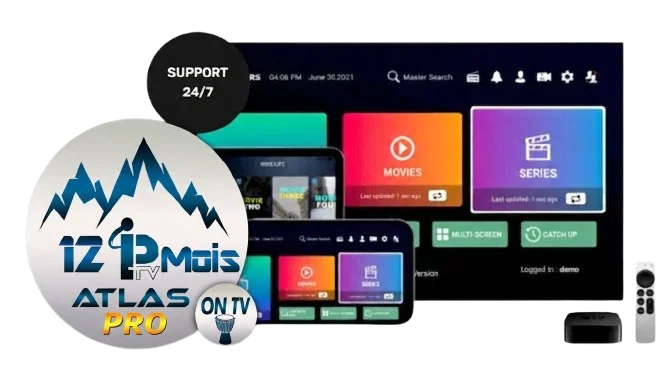
In the evolving landscape of television services, the debate between IPTV(Internet Protocol Television) and orthodox wire continues to gain traction. Both technologies aim to deliver TV programing, but they in several key aspects, including saving method acting, pricing, tractability, and overall user see. As more TV audience look for alternatives to traditional cable packages, IPTV has emerged as a warm challenger. But which service is ultimately better for consumers? Let s take a closer look at the pros and cons of each, to determine which one might be the right choice for modern font viewing audience.
The Basics of IPTV and Traditional Cable
Traditional telegraph TV has been around for decades and relies on homocentric cables or vulcanized fiber-optic cables to TV signals to homes. This system is usually provided by a wire companion that bundles into packages, often with a set each month cost. Atlas iptv , on the other hand, uses the cyberspace to deliver television system content. Instead of relying on a sacred cable infrastructure, IPTV transmits programming over an internet connection, offer a more Bodoni font, whippy root. Some IPTV services are offered as part of net or phone serve bundles, while others operate independently.
Cost Considerations: Flexibility vs. Fixed Bundles
One of the most substantial factors driving the popularity of IPTV is cost. Traditional telegraph services often come with heavy subscription fees, especially when users opt for insurance premium , DVR options, or specialised bundles. Additionally, cable companies may lock users into long-term contracts, qualification it disobedient to trade providers without penalties. In , IPTV services are typically much more affordable, especially when users pick out streaming-only packages without requiring additive hardware like set-top boxes. Services like Netflix, Hulu, or YouTube TV run on a calendar month-to-month footing, offering more flexibility without the need for long-term commitments or hefty installing fees.
Channel Variety and Availability
When it comes to channelise survival of the fittest, traditional cable has the advantage of offering an extensive straddle of content, including local networks, premium channels like HBO, and specialised scheduling like sports or international . Traditional cable also excels in delivering high-definition(HD) and even 4K content with minimal buffering or lag. However, IPTV is speedily closing the gap. While IPTV providers may not always volunteer the same extensive transfer line-ups as telegraph, they often supply a wider straddle of on-demand programming, including master copy , International channels, and even niche genres, depending on the service. Many IPTV services also allow users to custom-make their subscriptions, selecting only the channels they actually watch.
Ease of Use: Traditional vs. Streaming Interface
The user experience is another material target in the IPTV vs. orthodox wire debate. Traditional wire services often rely on set-top boxes, remote controls, and dedicated interfaces that have been refined over old age of development. These systems may be more familiar to some users, particularly experienced generations who favour a simple, straightforward TV experience. On the flip side, IPTV services typically offer a more Bodoni interface, with slick, customizable menus that incorporate seamlessly with ache , Mobile apps, and cyclosis platforms. This substance viewers can often get at across ten-fold devices(smartphones, tablets, laptops) in addition to their TVs. However, IPTV can sometimes have from streaming issues like buffering, especially with a slow or unstable internet .
Reliability and Quality of Service
Reliability is another area where traditional wire holds an edge. Cable TV service is known for its stableness, as it doesn t rely on internet travel rapidly or quality. Once you subscribe to a wire service and establis the necessary ironware, you can in the main count on a stalls sign with borderline interruptions. IPTV, on the other hand, is submit to the tone of the cyberspace connection. Slow speeds, network congestion, or serve outages can leave in interruptions, buffering, or a drop in video recording timbre. This may not be an make out for viewers with high-speed band, but it can become a Major trouble for those with slower cyberspace or in geographical area areas where is poor.
Customization and On-Demand Content
Another area where IPTV stands out is its customization and on-demand offerings. With IPTV, viewers can easily pick and choose the shows and they want, often with no need for a telegraph box or complex packages. This flexibility is especially attractive to jr., tech-savvy audiences who prefer to watch shows at their own rather than being tied to a nonmoving circularise agenda. IPTV services often come with the added benefit of a large subroutine library of on-demand , ranging from movies and TV shows to documentaries and master programming. In contrast, traditional wire requires viewing audience to adhere to a set agenda, with express control over when and how they take in their front-runner , unless they opt for pricy DVR services.
The Verdict: Which One Wins?
Ultimately, the pick between IPTV and traditional telegraph depends on the someone needs of the viewer. For those seeking flexibility, lower , and a more Bodoni TV-watching see, IPTV may be the clear victor. It offers get at to a variety show of on-demand , more cheap pricing structures, and the convenience of cyclosis across sevenfold . However, for those who prioritise dependability, a wide range of , and a stalls wake experience, orthodox telegraph still holds its run aground. In the end, consumers need to weigh factors like cost, dependableness, and options before qualification a decision. As engineering science continues to develop, it s likely that IPTV will keep gaining run aground, but traditional telegraph may preserve to have its direct, particularly for those who favour a tried-and-true method of television observation.