
Ceramic dishes, bowls, cups, and serving plates are popular choices in many households because of their attractive appearance, durability, and practical everyday use. However, regular meals, oily foods, tea, coffee, and sauces can leave stains and unpleasant marks on their surfaces. Learning the correct cleaning methods helps maintain their beauty and makes them last longer.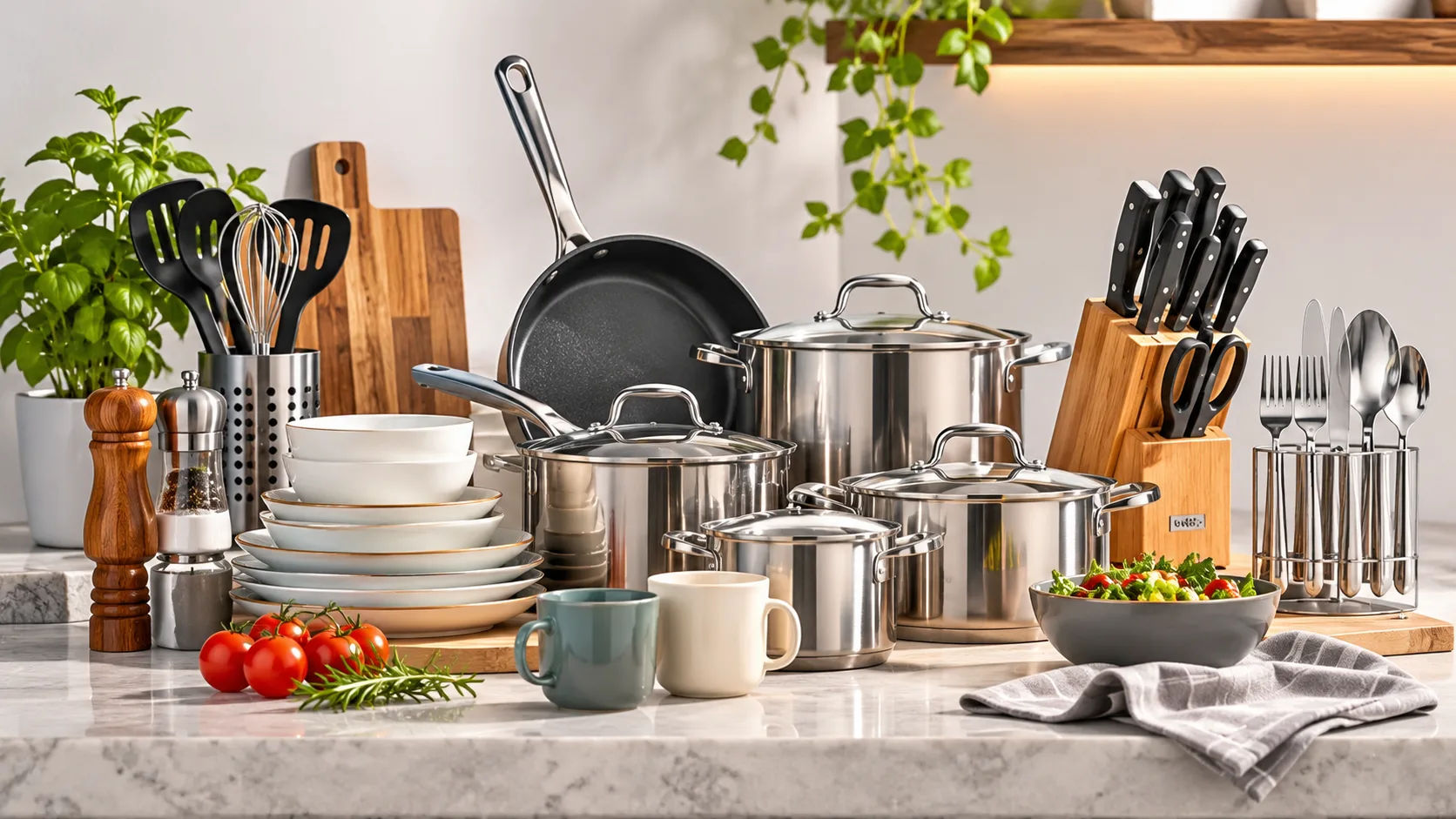
Proper cleaning is not simply about washing dishes with soap and water. Different ceramic finishes require different levels of care. Some pieces have delicate painted designs, while others feature glossy glazes or decorative details that can become damaged through rough handling. Understanding the right techniques makes everyday cleaning easier and safer.
Whether you use traditional dinner plates or modern decorative tableware, ceramic crockery deserves careful attention to maintain its original appearance. With suitable cleaning products, gentle washing methods, and proper storage habits, you can prevent stubborn stains, remove food residue, and keep your dishes looking fresh.
This comprehensive guide explains how to clean ceramic dishes, remove difficult stains, handle delicate decorations, and maintain your tableware through simple household cleaning practices.
Different Types of Ceramic Crockery
Before choosing a cleaning method, it is important to understand that not all ceramic dishes have the same surface or construction. Their material, glaze, and decoration can affect how they should be cleaned.
Glazed Ceramic Dishes
Glazed ceramic dishes have a smooth, protective coating that gives them a shiny appearance. This surface helps prevent food and liquid from entering the ceramic body.
Most glazed pieces are relatively easy to clean using warm water and mild dishwashing liquid. However, abrasive scrubbers can create scratches or damage decorative finishes.
Unglazed Ceramic Dishes
Unglazed ceramics have a more natural and textured surface. Because they lack a protective glaze, they may absorb moisture, oils, and food stains more easily.
These items require additional care. Avoid leaving them submerged in water for long periods, and always follow the manufacturer's cleaning instructions.
Hand-Painted Ceramic Crockery
Hand-painted dishes often feature attractive patterns, colorful illustrations, and decorative borders.
Some designs are protected beneath a glaze, while others are painted over the glazed surface. Decorations applied over the glaze may be more sensitive to strong detergents and aggressive scrubbing.
Use a soft sponge and gentle dishwashing liquid to protect their appearance.
Porcelain and Fine Ceramic Tableware
Fine porcelain and similar ceramic tableware can have delicate edges, thin walls, and detailed decorations.
Although some pieces are dishwasher-safe, older or valuable items may require handwashing. Checking manufacturer instructions is particularly important before using high temperatures.
Essential Supplies for Cleaning Ceramic Dishes
Having the correct cleaning supplies makes the process easier and reduces the risk of damaging your dishes.
You do not need expensive cleaning equipment. A few everyday household products are usually sufficient.
Mild Dishwashing Liquid
A good-quality dishwashing liquid removes grease, food particles, and everyday dirt.
Choose a mild formula that does not contain unnecessarily harsh chemicals. Strong cleaning products are rarely required for ordinary ceramic dishes.
Soft Sponges and Microfiber Cloths
Soft sponges are useful for removing food residue without scratching glazed surfaces.
Microfiber cloths are also helpful because they absorb moisture and remove remaining water marks. Keep separate cloths for washing and drying to maintain good hygiene.
Baking Soda
Baking soda is a useful household cleaning ingredient for dealing with certain stubborn stains.
Its mild abrasive properties can help remove discoloration from suitable glazed surfaces. However, avoid applying excessive pressure, particularly on delicate decorations.
White Vinegar
White vinegar can help dissolve some mineral deposits and water marks.
It should be diluted with water and used carefully. Avoid prolonged contact with sensitive decorative finishes, and never mix vinegar with bleach or other incompatible cleaning chemicals.
Soft Cleaning Brushes
Small, soft-bristled brushes can help clean narrow spaces, decorative grooves, and difficult corners.
ceramic crockery that do not have hard or sharp bristles.
Step-by-Step Guide to Cleaning Ceramic Crockery
Following a consistent washing routine helps remove everyday dirt and prevents food residue from building up.
Step 1: Remove Leftover Food
Start by removing leftover food from plates, bowls, and serving dishes.
Use a spoon or a soft utensil to clear thick food residue. Avoid scraping the surface with knives or metal objects because they may leave scratches.
For dried food, rinse the dish with lukewarm water before washing.
Step 2: Prepare Warm Soapy Water
Fill your kitchen sink or washing basin with warm water.
Add a small amount of mild dishwashing liquid and mix until the water becomes slightly foamy.
Warm water helps loosen grease and food particles, making the cleaning process easier.
Avoid extremely hot water, especially when cleaning delicate ceramics or dishes that may have temperature restrictions.
Step 3: Wash with a Soft Sponge
Dip a soft sponge into the soapy water and gently clean each dish.
Pay particular attention to areas where food, sauces, and oils usually collect.
Wash both the inside and outside of plates and bowls. Remember to clean the bottom edges and areas around handles.
Step 4: Clean Decorative Areas Carefully
Decorative patterns, painted borders, and raised designs may require extra attention.
Use gentle movements rather than aggressive scrubbing. If the decoration appears damaged or faded, avoid rubbing that area.
For valuable or antique pieces, handwashing with minimal pressure is generally a safer choice.
Step 5: Rinse Thoroughly
After washing, rinse each dish under clean running water.
Make sure no soap remains on the surface. Detergent residue can leave cloudy marks and may affect the taste or smell of food served later.
Step 6: Dry Properly
Use a clean microfiber cloth or place the dishes on a suitable drying rack.
Allow enough space between items so that air can circulate.
Drying dishes properly helps prevent water spots and reduces the possibility of moisture collecting between stacked pieces.
How to Remove Common Ceramic Stains
Some food and drink stains cannot be removed through ordinary washing. Fortunately, several gentle cleaning methods can help restore the appearance of suitable ceramic surfaces.
Removing Tea and Coffee Stains
Tea and coffee can leave brown marks inside cups and mugs, particularly when they are used frequently.
To remove these stains:
-
Rinse the cup with warm water.
-
Apply a small amount of baking soda to a damp, soft sponge.
-
Gently rub the stained area.
-
Rinse thoroughly with clean water.
-
Dry with a soft cloth.
Avoid vigorous scrubbing. If the stain remains, repeat the gentle process instead of applying excessive pressure.
Removing Grease and Oil Marks
Oily foods can leave slippery surfaces and unpleasant residue.
Use warm water and a grease-cutting dishwashing liquid to clean affected dishes.
Allow heavily greasy items to soak briefly in warm soapy water before washing. This helps loosen the oil and makes it easier to remove.
Removing Tomato Sauce Stains
Tomato-based foods contain natural pigments that can leave reddish or orange discoloration.
Rinse dishes soon after use rather than allowing sauce to dry.
For remaining marks, wash with mild detergent. On suitable glazed surfaces, a gentle baking soda treatment may help remove discoloration.
Removing Hard Water Deposits
Hard water sometimes leaves white or cloudy marks on dishes.
Mix equal amounts of white vinegar and water, then apply the solution briefly to the affected area if the manufacturer's care instructions permit it.
Rinse thoroughly afterward and dry with a clean cloth.
Do not use acidic solutions on sensitive decorative finishes without checking their suitability first.
Removing Dried Food Residue
Dried rice, sauces, and other food particles can become difficult to remove.
Soak the dish in warm, soapy water for approximately 10 to 15 minutes, provided it is suitable for soaking.
Use a soft sponge to loosen the remaining food.
Avoid using metal scrapers or sharp utensils because they may permanently damage the surface.
How to Clean Delicate and Decorative Ceramic Pieces
Decorative tableware requires more attention than ordinary everyday dishes.
Hand-painted designs, gold-colored borders, textured finishes, and antique decorations can become damaged through improper cleaning.
Use Gentle Cleaning Products
Choose mild dishwashing liquid instead of strong chemical cleaners.
Avoid bleach-based products, harsh degreasers, and abrasive cleaning powders unless the manufacturer specifically recommends them.
Avoid Rough Scrubbing
Never use steel wool, rough scouring pads, or stiff brushes on delicate surfaces.
These materials can remove decorative coatings and create visible scratches.
A soft sponge or microfiber cloth is usually sufficient.
Protect Gold and Metallic Decorations
Some ceramic dishes feature gold, silver, or metallic borders.
These finishes may be especially sensitive to abrasive cleaners and dishwasher detergents.
Handwash such pieces gently in lukewarm water unless the manufacturer confirms that they are dishwasher-safe.
Handle Antique Pieces Carefully
Older dishes may have cracks, weakened glaze, or decorative finishes that are no longer stable.
Avoid prolonged soaking and sudden temperature changes.
If a valuable antique piece has serious staining or damage, professional conservation advice is preferable to experimenting with household cleaning products.
Can Ceramic Crockery Be Cleaned in a Dishwasher?
Many modern ceramic dishes are designed to be dishwasher-safe, but this does not apply to every item.
Always check the manufacturer's instructions before placing dishes inside a dishwasher.
Check Dishwasher Compatibility
Look for dishwasher-safe labels or product information.
If the dishes have hand-painted decorations, metallic borders, or an antique finish, handwashing may be more appropriate.
Choose a Suitable Dishwasher Cycle
For approved items, select a suitable washing cycle.
A normal or gentle cycle is often sufficient for everyday cleaning. Avoid unnecessarily high temperatures when cleaning delicate pieces.
Arrange Dishes Correctly
Place plates and bowls securely in the dishwasher racks.
Leave enough space between pieces to prevent them from hitting each other during the washing cycle.
Avoid overloading the dishwasher because this can prevent proper cleaning and increase the risk of breakage.
Use Appropriate Detergent
Choose dishwasher detergent suitable for ceramic tableware.
Do not use ordinary handwashing liquid in a dishwasher. It creates excessive foam and is not designed for dishwasher operation.
Common Mistakes to Avoid When Cleaning Ceramic Dishes
Even simple cleaning routines can cause damage when unsuitable methods are used.
Understanding common mistakes helps protect your tableware.
Using Steel Wool
Steel wool can scratch glazed surfaces and damage decorative finishes.
Always choose a soft sponge or a suitable non-scratch cleaning pad.
Using Extremely Hot Water
Sudden temperature changes can cause thermal shock, particularly in delicate or damaged ceramics.
Allow dishes to adjust gradually to water temperature.
Avoid pouring boiling water directly into a cold ceramic cup.
Leaving Dishes Soaking for Too Long
Long soaking periods may not be suitable for unglazed ceramics, damaged glaze, or certain decorative pieces.
Short soaking sessions are generally more practical for removing dried food.
Mixing Cleaning Chemicals
Never mix bleach with vinegar, ammonia, or other household cleaning products.
Such combinations can release dangerous gases or create harmful chemical reactions.
Use one appropriate cleaning product at a time and follow its instructions.
Ignoring Small Cracks
Cracked or chipped dishes can collect food residue and become difficult to clean properly.
Inspect your dishes regularly. Stop using items with serious cracks, sharp chips, or damaged food-contact surfaces.
How to Maintain Ceramic Crockery After Cleaning
Cleaning is only one part of maintaining attractive and durable tableware. Proper handling, drying, and storage also make a significant difference.
Store Dishes in a Dry Place
Choose a clean, dry cupboard for storing plates, bowls, and cups.
Avoid areas where moisture frequently collects because damp conditions can encourage unpleasant odors and affect storage hygiene.
Use Protective Layers When Stacking
Place soft protective separators between delicate plates.
Felt separators or suitable dish-protection pads can reduce friction and help prevent scratches.
Avoid stacking heavy dishes on top of thin or fragile pieces.
Handle Plates with Care
Hold plates securely when moving them between the sink, drying rack, and storage cupboard.
Avoid carrying too many dishes at once.
Careful handling reduces the likelihood of accidental drops and chipped edges.
Clean Dishes Soon After Meals
Leaving food residue on dishes for several hours can make cleaning more difficult.
Rinse or wash dishes soon after use, especially after meals containing oily sauces, coffee, tea, or tomato-based ingredients.
Inspect Tableware Regularly
Check plates, cups, and bowls for cracks, chips, and unusual surface changes.
Regular inspection helps identify damaged items before they become difficult to maintain.
Important Hygiene Tips for Everyday Cleaning
Good cleaning habits help ensure that dishes remain suitable for serving food.
Washing removes visible dirt, but proper hygiene also requires attention to cleaning equipment and kitchen surfaces.
Keep Sponges Clean
Kitchen sponges can collect food particles and bacteria.
Rinse them thoroughly after use, allow them to dry between washing sessions, and replace them regularly.
Do not continue using sponges that have developed unpleasant odors.
Clean the Kitchen Sink
The sink can collect grease, food residue, and microorganisms.
Clean it regularly with a suitable household cleaning product.
Always wash the sink after handling dirty dishes, particularly after preparing raw meat or other potentially contaminated foods.
Use Clean Drying Towels
Use freshly cleaned towels for drying dishes.
A damp, dirty towel can transfer unwanted residue back onto otherwise clean surfaces.
Keep Clean Dishes Separate
Store washed dishes away from dirty kitchen utensils and food preparation waste.
This simple habit reduces the risk of cross-contamination.
Eco-Friendly Ways to Clean Ceramic Tableware
You can maintain clean dishes without relying on excessive amounts of chemical cleaning products.
Simple household practices can reduce waste and make everyday cleaning more efficient.
Use Only the Necessary Amount of Detergent
Adding more dishwashing liquid does not automatically produce better results.
Use the recommended quantity to clean dishes effectively while reducing unnecessary detergent consumption.
Avoid Wasting Water
Turn off the tap while scrubbing dishes.
Use a washing basin when appropriate, and rinse items efficiently with clean water.
Choose Reusable Cleaning Cloths
Microfiber cloths and washable cleaning towels can reduce dependence on disposable paper products.
Wash them regularly and keep separate cloths for different kitchen tasks.
Clean Stains Before They Become Difficult
Removing food marks early reduces the need for stronger cleaning products.
A quick rinse after meals can save time and make regular maintenance easier.
Conclusion
Keeping ceramic dishes clean and attractive does not require complicated equipment or expensive cleaning products. The most important factors are choosing appropriate cleaning materials, following gentle washing techniques, removing stains promptly, and storing dishes correctly.
Start by understanding the material and finish of each item. Glazed dishes are generally easier to maintain, while unglazed ceramics, hand-painted designs, and antique pieces require additional attention. Using warm water, mild dishwashing liquid, and soft sponges provides an effective cleaning routine for most everyday tableware.
For difficult stains, baking soda and diluted vinegar can be useful when the surface is compatible with these treatments. However, avoid excessive scrubbing, harsh chemicals, and sudden temperature changes that could damage delicate pieces.
Proper drying and storage are equally important. Use clean towels, protective separators, and dry cupboards to prevent scratches, moisture problems, and accidental breakage. Regularly inspect dishes for cracks and chips, particularly when they are used for serving food.
Maintaining ceramic crockery is ultimately about developing consistent cleaning habits. Washing dishes after meals, using suitable cleaning products, and handling every piece carefully can preserve its appearance and usefulness for years.
With the techniques explained in this guide, you can confidently care for everyday plates, decorative bowls, coffee cups, and special serving dishes. A little attention during regular cleaning can make a noticeable difference, helping your tableware remain attractive, hygienic, and ready for every meal.