
When it comes to modern building design, façade systems play a critical role in both aesthetics and functionality.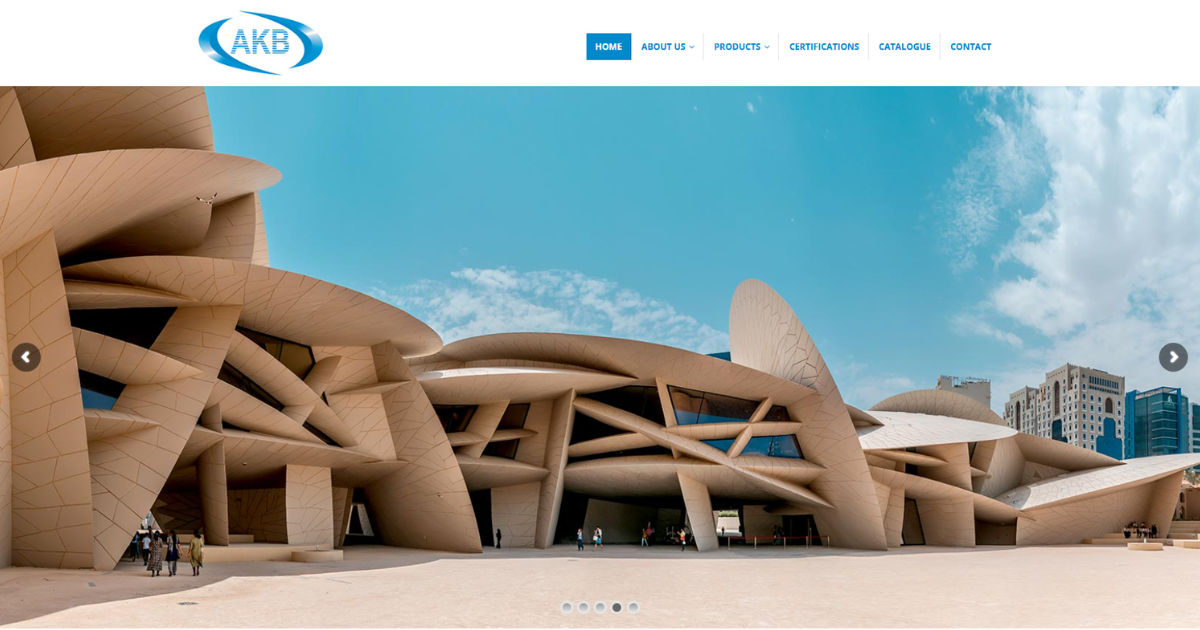
Among the most popular solutions today are ACP sheets, and companies like Akbari Engineering have been at the forefront of supplying and installing high-quality ACP solutions for diverse architectural projects.
This guide will explore how ACP sheets work in façade systems, their advantages, installation process, and considerations for choosing the right panels.
ACP Sheets
ACP stands for Aluminum Composite Panel. These are flat panels consisting of two thin layers of aluminum bonded to a non-aluminum core, typically made of polyethylene or fire-retardant materials. The combination of materials creates a lightweight yet strong panel that is ideal for external and internal cladding applications.
The reason ACP sheets are highly favored in façade systems is due to their durability, flexibility, and aesthetic appeal. They can be produced in a variety of colors, finishes, and textures, making them a versatile choice for architects and builders.
Composition of ACP Sheets
To understand how ACP sheets work in façade systems, it’s important to look at their structure:
- Aluminum Layers: These outer layers provide strength, resistance to weathering, and a smooth surface for painting or coating.
- Core Material: Usually polyethylene (PE) or fire-resistant mineral core (FR). The core determines the panel’s weight, thermal insulation, and fire safety rating.
- Coating Layer: The aluminum is coated with PVDF (Polyvinylidene Fluoride) or PE paint, which protects the panel from UV radiation, corrosion, and scratches.
The combination of these layers ensures that ACP sheets are not only structurally sound but also visually appealing for modern façade systems.
Why ACP Sheets Are Preferred for Façades
There are several reasons why ACP sheets are widely used in façade systems:
- Lightweight Nature: Unlike solid aluminum or other cladding materials, ACP sheets are lightweight, reducing the load on the building structure.
- Weather Resistance: They can withstand harsh weather conditions, including rain, heat, and wind.
- Fire Safety: Fire-retardant cores make ACP sheets safer in case of fire emergencies.
- Design Flexibility: ACP sheets can be cut, bent, and shaped according to design requirements, allowing architects to implement creative façades.
- Cost-Effectiveness: Compared to stone or glass cladding, ACP sheets are more affordable without compromising aesthetics.
Akbari Engineering has been supplying ACP sheets with precise engineering standards, ensuring these benefits are fully realized in construction projects.
How ACP Façade Systems Work
ACP façade systems work by creating a protective and decorative layer on the building exterior. They are generally used in a ventilated façade system, which means there is a gap between the ACP panel and the building wall. This gap helps in thermal insulation, moisture control, and energy efficiency.
The typical working principle involves:
- Panel Installation: ACP sheets are mounted on a subframe made of aluminum or galvanized steel, which is attached to the structural wall.
- Ventilation Gap: The gap between the wall and panel allows airflow, reducing heat transfer and preventing moisture accumulation.
- Fastening Mechanism: ACP sheets are fixed using screws, rivets, or adhesive systems, ensuring stability while allowing slight movement to accommodate thermal expansion.
- Weatherproofing: Sealants and joint systems prevent water ingress while maintaining the façade’s smooth appearance.
This system not only improves the building’s appearance but also enhances energy efficiency and structural longevity.
Installation Process of ACP Sheets in Façade Systems
The installation of ACP sheets requires precision and planning. Here’s a step-by-step process:
- Design and Planning: Architects and engineers design the façade layout, specifying the size, shape, and color of ACP panels.
- Structural Assessment: The building’s structure is checked to ensure it can support the ACP façade. Load calculations and wind resistance assessments are conducted.
- Subframe Installation: A subframe made of aluminum or steel is fixed to the building’s wall. The subframe acts as the skeleton for mounting ACP panels.
- Panel Cutting and Preparation: ACP sheets are cut to the required size and drilled for fasteners. Edges are sealed to prevent moisture penetration.
- Panel Mounting: Panels are fixed onto the subframe using mechanical fasteners or adhesive systems. Proper alignment and spacing are maintained for a smooth finish.
- Joint Sealing and Finishing: Sealants are applied at panel joints to prevent water leakage. Finally, inspection ensures all panels are securely fixed and aligned.
Professionals at Akbari Engineering emphasize accuracy during installation, as improper mounting can lead to panel deformation, water leakage, or reduced lifespan.
Types of ACP Façade Systems
There are different types of ACP façade systems, depending on the design and functional requirements:
- Ventilated Façade Systems: Panels are installed with a gap for air circulation, which improves thermal performance and reduces moisture problems.
- Bonded Façade Systems: Panels are directly bonded to the wall surface using adhesives, usually for interior applications or low-rise buildings.
- Rainscreen Façade Systems: Designed to protect the wall from direct rain impact while allowing water vapor to escape.
Each system has unique advantages, and the choice depends on building height, climate, budget, and design preferences.
Advantages of ACP Sheets in Façade Systems
Using ACP sheets in façade systems offers numerous advantages:
- Durability: Resistant to corrosion, UV rays, and weathering.
- Lightweight: Reduces structural load and allows faster installation.
- Aesthetic Flexibility: Available in various colors, textures, and finishes.
- Fire Safety: Fire-retardant cores enhance building safety.
- Low Maintenance: Easy to clean and maintain compared to glass or stone façades.
- Eco-Friendly Options: Some ACP sheets are made from recycled aluminum and are recyclable.
By choosing Akbari Engineering, builders gain access to high-quality panels that deliver all these benefits consistently.
Common Materials Used in ACP Façades
While aluminum is the primary material, ACP sheets may incorporate different core materials for specialized applications:
- Polyethylene (PE) Core: Standard core material, lightweight, and cost-effective.
- Fire-Retardant (FR) Core: Enhanced fire resistance for high-rise buildings.
- Mineral-Filled Core: Improved thermal insulation and sound absorption.
The surface finish also varies:
- PVDF Coating: Long-lasting, UV-resistant, ideal for exterior applications.
- PE Coating: More affordable, suitable for interiors.
- Wood, Stone, or Metallic Finishes: For aesthetic customization in façade design.
Akbari Engineering ensures that all panels meet international quality standards, providing options for different architectural requirements.
Maintenance and Longevity
ACP façades are designed for long-term performance, but proper maintenance is essential:
- Regular Cleaning: Use mild detergents and soft brushes to prevent dirt accumulation.
- Inspection for Damage: Check for scratches, dents, or loose panels.
- Sealant Check: Reapply sealants as needed to prevent water ingress.
- Avoid Harsh Chemicals: Acidic or abrasive cleaners can damage coatings.
With proper care, ACP façade systems can last 20-30 years, maintaining both their functionality and appearance.
Common Misconceptions About ACP Façades
Despite their popularity, some misconceptions persist:
- ACP Sheets Are Fragile: In reality, they are lightweight but strong, able to withstand wind and minor impacts.
- ACP Is Only for Modern Buildings: ACP sheets can mimic stone, wood, or other traditional finishes.
- High Maintenance: ACP façades are relatively low-maintenance compared to glass or stone.
Understanding the correct usage and installation methods clears these myths and demonstrates why ACP sheets are a reliable façade solution.
Cost Considerations
The cost of ACP façade systems varies based on:
- Panel Type: Fire-retardant and specialty finishes cost more than standard panels.
- Panel Thickness: Thicker panels offer more durability but at a higher price.
- Installation Complexity: Curved or custom façades increase labor costs.
- Project Scale: Large projects may benefit from bulk discounts.
Using high-quality panels from Akbari Engineering ensures that the initial investment translates into long-term benefits, minimizing maintenance costs and enhancing building value.
Safety and Environmental Considerations
Safety is paramount when choosing ACP sheets:
- Fire Resistance: Select panels with FR cores for high-rise buildings.
- Toxicity: Ensure low-VOC coatings are used for safer indoor air quality.
- Recyclability: Aluminum panels are recyclable, making them environmentally responsible.
Modern building codes often require ACP sheets to meet fire and environmental standards, ensuring the safety of occupants and the surrounding environment.
Design Flexibility and Architectural Impact
ACP sheets offer unmatched flexibility for architects:
- Curved Façades: Panels can be bent to create rounded or wavy designs.
- Color Variety: PVDF coatings allow vibrant, long-lasting colors.
- Pattern Customization: Panels can be cut and arranged to create patterns or logos on façades.
This level of design versatility is why companies like Akbari Engineering are trusted for high-profile architectural projects, delivering both beauty and function.
Conclusion
ACP sheets are a revolutionary solution for modern façade systems, combining durability, lightweight construction, aesthetic flexibility, and fire safety. Their installation involves careful planning, a strong subframe, and proper sealing to ensure long-term performance. Whether it is for a commercial skyscraper or a residential building, ACP sheets provide both functional and visual benefits.
Companies like Akbari Engineering ensure the highest quality panels and professional installation, making them a reliable choice for architects and builders alike. By understanding how ACP sheets work in façade systems, building owners and designers can make informed choices that enhance both the appearance and lifespan of their structures.
ACP façades are not just a decorative option—they are a strategic investment in building efficiency, safety, and value. With proper selection, installation, and maintenance, ACP sheets can transform the exterior of any building, proving themselves as a versatile and long-lasting façade solution.