
Umrah is a meaningful spiritual journey that brings Muslims from different parts of the world to Makkah and Madinah. However, performing Umrah during hot weather requires careful preparation because high temperatures can affect physical health, comfort, and energy levels. Pilgrims often spend several hours walking, standing, praying, and visiting important religious places. 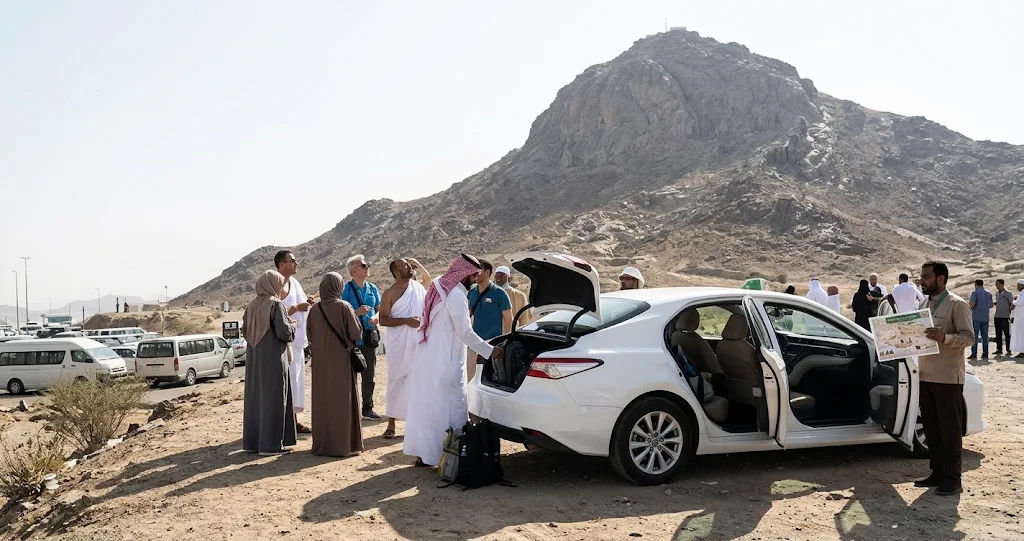 Without proper precautions, the heat can make these activities more challenging. Understanding basic health and safety measures helps pilgrims enjoy a more comfortable and organized journey.
Planning transportation, managing daily activities, drinking enough water, and choosing suitable clothing are important parts of a safe pilgrimage. Many visitors also arrange a makkah ziyarat taxi to travel between religious landmarks without unnecessary physical exhaustion. Having reliable transportation can make sightseeing more convenient, particularly when temperatures are high. Along with transportation arrangements, pilgrims should understand how to recognize heat-related health problems and protect themselves throughout their stay.
Whether someone is visiting Makkah for the first time or returning for another pilgrimage, preparing for hot weather can make a significant difference. This comprehensive guide explains practical health and safety tips that help Umrah pilgrims manage the heat, protect their well-being, and focus on their spiritual experience.
1. Challenges of Hot Weather During Umrah
Saudi Arabia experiences high temperatures during many months of the year. In particularly hot periods, outdoor temperatures can become uncomfortable, especially around midday. Pilgrims may experience additional discomfort because of crowded areas, long walking distances, and physical activity.
The combination of heat and physical exertion can increase the risk of dehydration and heat-related illness. Older adults, young children, pregnant travelers, and people with certain medical conditions may need additional precautions.
Understanding these challenges before departure allows pilgrims to make better decisions about their daily schedules and activities.
Check Weather Conditions Before Traveling
Before leaving for Saudi Arabia, check the expected weather conditions for Makkah and Madinah. Knowing the temperature helps you prepare suitable clothing, footwear, and personal supplies.
Weather forecasts can also help you decide when to perform outdoor activities. If extremely hot conditions are expected, consider limiting unnecessary outdoor movement during the hottest hours.
Prepare for Temperature Changes
Although daytime temperatures can be high, indoor environments may feel much cooler because of air conditioning. Moving between hot outdoor spaces and cool indoor areas can sometimes cause discomfort.
Carry a light additional layer when necessary, especially if you are sensitive to cold indoor temperatures.
2. Stay Hydrated Throughout the Day
Hydration is one of the most important aspects of staying healthy during Umrah. Spending time outdoors, walking between locations, and performing religious activities can increase fluid requirements.
Dehydration may cause headaches, tiredness, dizziness, and difficulty concentrating. Severe dehydration requires medical attention.
Drink Water Regularly
Do not wait until you feel extremely thirsty before drinking water. Make regular drinking part of your daily routine.
Zamzam water is widely available in the Grand Mosque and is an important part of the experience for many pilgrims. You can also carry a reusable water bottle where permitted.
Drink small amounts regularly throughout the day rather than relying on occasional large amounts.
Avoid Excessive Caffeinated Drinks
Drinks containing large amounts of caffeine may not be the best choice when you are trying to maintain healthy hydration habits.
Water should remain your main source of fluids. If you have a medical condition that requires fluid restrictions, follow your healthcare professional's advice.
Recognize Dehydration Symptoms
Common signs of dehydration include:
-
Unusual thirst.
-
Dry mouth.
-
Headaches.
-
Dark-colored urine.
-
Feeling unusually tired.
-
Dizziness or light-headedness.
If these symptoms develop, stop unnecessary physical activity, move somewhere cooler, and drink water if you can safely do so. Seek medical assistance if symptoms are severe or do not improve.
3. Choose Suitable Clothing for Hot Weather
Clothing plays an important role in maintaining comfort during Umrah. Suitable clothing can help manage heat and make walking and praying more comfortable.
Pilgrims should follow the religious requirements of Ihram while also considering practical comfort and weather conditions.
Select Breathable Fabrics
For everyday clothing, lightweight and breathable fabrics can improve comfort. Cotton and other breathable materials may help reduce discomfort caused by sweating.
Choose clothing that allows comfortable movement and does not create unnecessary warmth.
Use Appropriate Sun Protection
When spending time outdoors, consider using a suitable umbrella, sunglasses, and sunscreen where appropriate and permitted.
A broad-spectrum sunscreen with SPF 30 or higher can help protect exposed skin. Reapply it according to the product instructions, particularly after sweating.
Keep Ihram Clothing Clean and Comfortable
Male pilgrims should prepare suitable Ihram garments before departure. Carrying an additional clean set can be useful during a longer stay.
Female pilgrims should choose comfortable, modest clothing that follows the applicable religious requirements.
4. Avoid Unnecessary Outdoor Activities During Peak Heat
One of the most effective ways to reduce heat exposure is to manage the timing of outdoor activities.
Walking for long periods under direct sunlight can increase the risk of heat exhaustion. Pilgrims should therefore organize their schedules carefully.
Plan Activities During Cooler Hours
Whenever possible, arrange outdoor visits during the early morning or later evening.
These periods may offer more comfortable conditions than the middle of the day. However, actual temperatures and crowd conditions should always guide your decisions.
Take Regular Rest Breaks
Resting is not a waste of time during Umrah. It helps the body recover after physical activity.
Choose shaded or air-conditioned places when taking breaks. Avoid pushing yourself to continue walking when you feel unusually tired.
Use Transportation When Necessary
Pilgrims do not need to walk every distance when convenient transportation is available.
A makkah ziyarat taxi can help visitors reach religious landmarks while reducing prolonged exposure to outdoor heat. This can be particularly useful for families, elderly visitors, and people who find long walks difficult.
Planning transportation in advance can also reduce confusion when traveling between different locations.
5. Recognize the Warning Signs of Heat-Related Illness
Heat-related illnesses can become serious if they are ignored. Pilgrims should understand the difference between ordinary tiredness and symptoms that require immediate attention.
Heat exhaustion and heatstroke are important conditions to recognize.
Understand Heat Exhaustion
Heat exhaustion can develop when the body becomes overheated, particularly during physical activity.
Possible symptoms include:
-
Heavy sweating.
-
Weakness and unusual tiredness.
-
Headache.
-
Nausea.
-
Dizziness.
-
Muscle cramps.
If someone develops these symptoms, stop the activity immediately and move them to a cooler location. Loosen unnecessary clothing and begin cooling the person with available cool water or wet cloths.
If the person does not improve quickly, seek medical assistance.
Identify Heatstroke as an Emergency
Heatstroke is a serious medical emergency. Warning signs can include confusion, unusual behavior, fainting, seizures, or a very high body temperature.
Call emergency medical services immediately if heatstroke is suspected. Begin cooling the person while waiting for professional help.
Do not give fluids to someone who is unconscious or unable to swallow safely.
Recognizing these warning signs can help pilgrims respond quickly and protect one another.
6. Eat Balanced and Light Meals
Food choices can influence how comfortable you feel during hot weather. Heavy meals may make some people feel uncomfortable, particularly when combined with physical activity.
A balanced diet provides energy for daily religious activities and sightseeing.
Include Fresh Fruits and Vegetables
Fruits and vegetables contain water, vitamins, and minerals. Watermelon, oranges, cucumbers, and other fresh produce can be useful additions to meals.
Wash fruits properly and choose food from hygienic sources.
Avoid Skipping Meals
Some pilgrims become so busy with prayers and visits that they forget to eat regularly.
Skipping meals may contribute to weakness and low energy. Try to maintain a reasonable eating schedule.
Be Careful With Food Hygiene
Food safety is especially important when traveling.
Choose freshly prepared meals from clean establishments. Avoid food that has been left exposed to high temperatures for long periods.
Wash your hands before eating and use clean drinking water.
7. Wear Comfortable Walking Shoes
Walking is an important part of the Umrah experience. Pilgrims may spend considerable time moving around the Grand Mosque, hotels, and nearby areas.
Uncomfortable footwear can cause blisters, soreness, and difficulty walking.
Choose Suitable Footwear
Select footwear that fits properly and provides adequate comfort and support.
Avoid wearing brand-new shoes for the first time during a long day of activities. Test suitable footwear before traveling.
Protect Your Feet
Check your feet regularly for blisters, irritation, or swelling.
Keep your feet clean and dry whenever possible. If you develop a painful injury, reduce unnecessary walking and seek appropriate medical advice.
Plan Longer Journeys Carefully
If you intend to visit several religious landmarks, consider how much walking each journey involves.
A makkah ziyarat taxi may help reduce unnecessary walking between distant destinations. It can also make the journey more manageable for travelers who need additional rest.
8. Take Extra Care of Elderly Pilgrims and Children
Families traveling with elderly relatives or children should pay particular attention to heat safety.
Different age groups may respond differently to high temperatures. Some people may also find it harder to recognize or communicate early symptoms of dehydration and heat exhaustion.
Support Elderly Family Members
Older pilgrims may have reduced tolerance for extreme temperatures, especially if they have existing medical conditions.
Encourage them to rest regularly, drink appropriate amounts of water, and avoid prolonged outdoor activities during peak heat.
Arrange comfortable transportation when needed. A makkah ziyarat taxi can help elderly family members visit important places without requiring excessive walking.
Keep Children Comfortable
Children need regular supervision in crowded and hot environments.
Make sure they drink water regularly, wear comfortable clothing, and take breaks when necessary.
Keep children close to responsible adults in crowded areas and establish a meeting plan in case family members become separated.
Avoid Overcrowded Schedules
Do not attempt to visit too many places in one day. A relaxed schedule is generally more comfortable for families.
9. Prepare a Basic Health and Safety Kit
Carrying a small health kit can make everyday travel problems easier to manage.
You do not need to carry a large collection of supplies. Focus on useful personal items that may be needed during the journey.
Essential Items to Consider
Your travel kit may include:
-
Personal prescription medicines.
-
A small first-aid kit.
-
Adhesive bandages.
-
Sunscreen.
-
Hand sanitizer.
-
Tissues and wet wipes.
-
A reusable water bottle.
-
A list of emergency contacts.
-
Any personal medical information needed by healthcare professionals.
Keep medicines in their original packaging when possible.
Follow Your Medication Schedule
If you take regular medication, prepare enough for your planned stay and keep it stored according to the manufacturer's instructions.
Do not change prescribed doses because of travel activities or hot weather without medical advice.
Pilgrims with diabetes, heart conditions, or other ongoing health concerns should discuss travel preparations with their healthcare professional before departure.
10. Maintain Personal Hygiene in Crowded Areas
Umrah attracts large numbers of pilgrims from different countries. Maintaining good hygiene helps reduce the spread of common illnesses.
Hot weather can also make personal cleanliness more challenging because of sweating and increased physical activity.
Wash Your Hands Regularly
Wash your hands with soap and clean water, particularly before eating and after using public facilities.
Hand sanitizer can be useful when washing facilities are unavailable.
Follow Respiratory Hygiene
Cover your mouth and nose when coughing or sneezing. Dispose of tissues properly and clean your hands afterward.
Consider wearing a suitable mask in crowded indoor areas, particularly if you are at increased risk of respiratory illness.
Avoid Sharing Personal Items
Do not share personal towels, drinking bottles, or hygiene products unnecessarily.
Keeping personal belongings clean can help reduce the risk of spreading infections.
11. Plan Safe Transportation for Ziyarat
Visiting religious landmarks is an important part of many pilgrims' journeys. However, transportation planning becomes especially important when temperatures are high.
Traveling between locations without a proper schedule can result in unnecessary waiting, walking, and fatigue.
Arrange Transportation Before Departure
Consider organizing transportation according to your intended sightseeing schedule.
A makkah ziyarat taxi can provide a practical way to travel between selected destinations while avoiding some of the physical demands of walking long distances.
Before confirming a journey, discuss the pickup location, destination, expected travel time, and applicable fare.
Choose Comfortable Travel Times
If possible, arrange visits during cooler parts of the day.
Avoid spending unnecessary time waiting outdoors. Confirm pickup arrangements and allow enough time for traffic and crowd-related delays.
Keep Important Belongings With You
Carry your phone, identification, hotel details, and emergency contact information.
Keep valuables secure and check that everyone in your group has their essential belongings before leaving the vehicle.
Travel According to Your Physical Ability
Do not feel pressured to complete every sightseeing activity in one day.
A makkah ziyarat taxi can make it easier to adjust your plans when someone in your group needs additional rest.
12. Get Enough Sleep and Manage Physical Energy
Sleep is essential for maintaining energy and concentration during Umrah.
Pilgrims sometimes become so focused on prayers, sightseeing, and shopping that they sacrifice their regular rest.
However, insufficient sleep can increase tiredness and make physical activities more difficult.
Maintain a Reasonable Sleep Schedule
Try to establish a routine that allows enough sleep between daily activities.
You may need to adjust your schedule according to prayer times and personal religious commitments, but avoid unnecessary late-night activities.
Take Short Rest Periods
If you feel tired during the day, take a break in a comfortable environment.
Avoid beginning another long outdoor journey when you are already physically exhausted.
Balance Religious Activities and Rest
There is no need to rush through every activity.
A carefully planned schedule allows pilgrims to focus on worship while protecting their physical well-being.
13. Know When to Seek Medical Assistance
Even with careful preparation, health problems can sometimes develop during Umrah.
Knowing where to get assistance is an important part of travel safety.
Do Not Ignore Serious Symptoms
Seek immediate medical assistance for symptoms such as fainting, confusion, difficulty breathing, chest pain, severe weakness, or suspected heatstroke.
Do not assume that every problem is caused by ordinary tiredness.
Keep Emergency Information Available
Save your hotel address, travel operator's contact details, and relevant emergency numbers.
Saudi Arabia's unified emergency number is 911 in regions where the service operates. Pilgrims should also identify the nearest available medical facility and follow local emergency guidance.
Follow Medical Advice
If a healthcare professional recommends rest or treatment, follow those instructions.
Do not resume strenuous sightseeing until you are well enough to do so.
14. Make a Practical Daily Safety Plan
A daily plan can help pilgrims stay organized without making their journey unnecessarily demanding.
Start by checking the weather and deciding which activities are most important.
Schedule outdoor visits during more comfortable hours and allow enough time for meals, prayers, hydration, and rest.
If you plan to visit several religious landmarks, arrange suitable transportation beforehand. A makkah ziyarat taxi can help organize these journeys and reduce unnecessary exposure to hot outdoor conditions.
Keep water and essential personal supplies available throughout the day.
Most importantly, remain flexible. If the weather becomes unusually hot or someone feels unwell, change the schedule rather than continuing with the original plan.
Conclusion
Performing Umrah in hot weather requires thoughtful preparation, awareness, and responsible decision-making. Although high temperatures can make walking, sightseeing, and other physical activities more challenging, pilgrims can reduce many risks by following practical health and safety measures.
Staying hydrated, wearing suitable clothing, protecting yourself from direct sunlight, eating balanced meals, and getting enough rest are essential habits. Pilgrims should also recognize the symptoms of dehydration, heat exhaustion, and heatstroke so they can respond appropriately when problems arise.
Families should take additional care of elderly relatives and children, while people with existing medical conditions should prepare according to professional medical advice. Maintaining personal hygiene, carrying essential medicines, and knowing where to seek medical assistance can also make the journey safer.
Transportation is another important consideration. Arranging a makkah ziyarat taxi can help pilgrims travel between religious landmarks comfortably, particularly when outdoor temperatures are high or walking becomes difficult. Planning pickup arrangements and selecting suitable travel times can make sightseeing more organized.
Ultimately, a successful pilgrimage involves both spiritual preparation and attention to personal well-being. By following these health and safety tips, pilgrims can manage hot weather more effectively, avoid unnecessary physical strain, and concentrate on the meaningful experience of performing Umrah.