
Yes, in most cases, a car shipping company needs proper registration and operating authority to legally transport vehicles for customers, especially when the vehicles are being transported across state lines. However, the exact requirements depend on whether the business is actually transporting vehicles, arranging transportation as a broker, or operating only within a particular state.
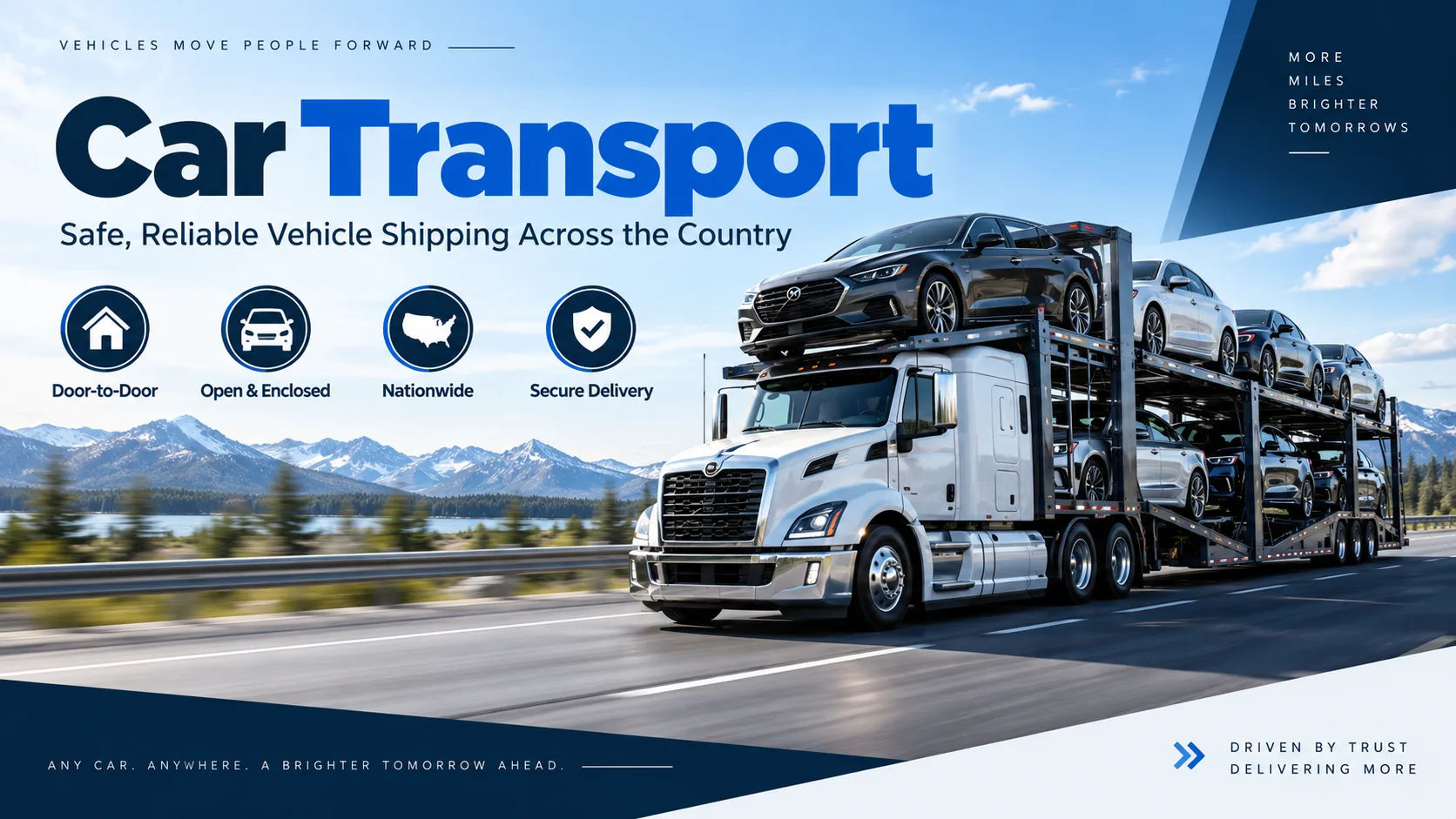
For customers, this distinction matters. A business may advertise itself as a car shipping company while functioning primarily as a broker that hires another carrier to move the vehicle. The licensing requirements for those two businesses are not identical.
In the United States, the Federal Motor Carrier Safety Administration, or FMCSA, regulates many interstate commercial transportation businesses. Companies transporting federally regulated property for compensation across state lines generally need the appropriate operating authority in addition to a USDOT Number.
Understanding what a legitimate carrier or broker should have can help you avoid unreliable operators and make a more informed decision before handing over your vehicle.
What Does a Car Shipping Company License Actually Mean?
People often use the word "license" as though there is one universal document that every transportation business receives. The reality is more complicated.
A car shipping company may need several forms of registration, authority, insurance, and state compliance depending on how it operates.
For an interstate motor carrier, one important requirement is a USDOT Number. FMCSA uses this number as an identifier for companies subject to federal safety registration requirements. It allows information about the company's safety record and regulatory compliance to be tracked.
A company that operates as a for-hire interstate motor carrier may also need operating authority, commonly associated with an MC number. FMCSA explains that operating authority determines the type of operation a company may conduct and the property it may transport.
So, when someone asks whether a car shipping company needs a license, the better question is:
What type of transportation business is the company operating, and where does it operate?
Does an Auto Transport Carrier Need a USDOT Number?
A motor carrier transporting vehicles for customers may need a USDOT Number when it falls under FMCSA registration requirements.
The USDOT Number is not exactly the same thing as a license. It is primarily a federal identification and safety registration number.
FMCSA states that companies operating commercial vehicles transporting passengers or hauling cargo in interstate commerce generally must register and obtain a USDOT Number when applicable.
For an auto transporter, the important point is that transporting someone else's vehicle for compensation can place the business under federal transportation regulations when the operation qualifies as interstate commerce.
Customers can use the company's USDOT information as one part of their due diligence. A legitimate number alone, however, should not automatically be treated as proof that every aspect of a business is compliant.
Does a Car Shipping Company Need an MC Number?
An interstate car shipping company operating as a for-hire motor carrier generally needs the appropriate operating authority in addition to its USDOT registration when the federal rules apply.
FMCSA describes operating authority as registration required for certain interstate transportation operations. It is commonly identified through an MC, FF, or MX number depending on the type of authority.
This distinction is important because a USDOT Number and operating authority serve different purposes.
The USDOT Number identifies the transportation company for safety and regulatory purposes. Operating authority establishes the company's authority to conduct certain regulated transportation services for compensation.
Therefore, seeing only a USDOT Number should not necessarily be considered enough evidence that an interstate for-hire carrier has all the authority it needs.
What If the Business Is a Car Shipping Broker?
Not every car shipping company actually owns trucks or transports vehicles itself.
Some businesses operate as brokers. A broker arranges transportation between the customer and an authorized motor carrier rather than physically hauling the vehicle.
FMCSA specifically recognizes brokers as a separate type of regulated transportation business. A property broker receives payment for arranging transportation using an authorized motor carrier.
A broker therefore has different responsibilities from the carrier that actually loads the vehicle onto a trailer.
This is one reason customers should ask a company whether it is a carrier, a broker, or both.
Broker Authority Is Different From Carrier Authority
A broker generally needs broker authority through FMCSA when arranging regulated interstate transportation for compensation.
FMCSA states that new brokers must apply for broker authority through its registration system. Brokers must also provide financial security, including a $75,000 surety bond or trust fund, and file a BOC-3 designation of process agents.
The broker does not become the vehicle's physical transporter simply because it arranged the shipment.
The actual carrier handling the vehicle should have its own appropriate authority and insurance.
Why Insurance Matters Alongside Licensing
Licensing and registration are only part of the picture.
A car shipping company transporting vehicles for customers also needs to meet applicable insurance and financial-responsibility requirements.
FMCSA explains that entities applying for operating authority must have the required financial responsibility filings in place before authority can be granted. The exact requirements vary according to the entity type, authority, cargo, and vehicle involved.
For customers, this matters because a vehicle is a valuable piece of property.
A company may have the correct registration numbers but still require closer examination of its insurance coverage and contractual terms.
You should ask what insurance applies during transportation, what limitations exist, and what happens if the vehicle is damaged.
Do not assume that a company's general business insurance automatically provides complete protection for your vehicle.
Does Every Car Shipping Business Need Federal Authority?
No.
The federal rules contain exceptions and distinctions based on the type of operation.
For example, FMCSA identifies certain private carriers, carriers hauling exclusively exempt commodities, and some carriers operating exclusively within designated commercial zones as situations where federal operating authority may not be required.
That does not mean a business can simply decide that it is exempt.
The company's actual operation determines which requirements apply.
A transporter operating exclusively within one state may also face state-level requirements rather than the same federal interstate requirements that apply to a company moving vehicles between states.
This is why the answer to whether a car shipping company needs a license cannot be reduced to one universal rule.
What State Licenses or Registrations May Be Required?
Federal registration is only one part of transportation compliance.
States can impose their own business registration, transportation, tax, insurance, and other requirements.
FMCSA itself advises applicants to determine applicable state notification and registration requirements in addition to federal registration.
For example, a company may need to register its business with the appropriate state authority, comply with state commercial vehicle requirements, and meet applicable tax or transportation rules.
The exact requirements depend on where the business is based and where it operates.
A car shipping company that transports vehicles across several states therefore needs to consider both federal requirements and relevant state regulations.
How Can You Check Whether a Car Shipping Company Is Legitimate?
Before booking transportation, take a few minutes to investigate the business.
Start by asking for the company's legal business name, USDOT Number, and MC or other applicable authority information.
Then verify the information through official FMCSA resources rather than relying solely on a number displayed on a website.
The company's name and information should make sense when compared with the information provided in your shipping agreement.
Check Whether the Authority Is Active
An important detail is whether the company's operating authority is actually active.
Having received a number at some point in the past does not necessarily mean the business currently has active authority.
FMCSA's registration and licensing systems provide information about registration and operating authority status. FMCSA notes that a carrier cannot begin operations under new authority until the required authority is officially issued and the operating authority is active.
This is particularly important when comparing unfamiliar companies.
Check the Insurance Information
Insurance should also be investigated.
FMCSA requires applicable insurance filings for entities obtaining operating authority and requires qualifying businesses to keep the necessary filings current.
Ask questions rather than accepting vague statements such as "fully insured."
Find out what type of coverage applies to your vehicle, whether there are exclusions, and what procedure is followed if damage occurs.
What Documents Should a Car Shipping Company Provide?
A legitimate car shipping company should normally be able to provide clear documentation about the transaction.
This can include a shipping agreement or contract, pickup and delivery information, payment terms, cancellation policies, and details about insurance and damage claims.
The documentation should identify who you are actually contracting with.
If a broker is involved, the paperwork should make the relationship understandable rather than making it appear that the broker owns and operates the transport truck.
You should also receive information about the carrier assigned to the shipment when applicable.
Good documentation is not simply administrative paperwork. It gives you something concrete to rely on if a dispute develops.
What Are Warning Signs of an Unlicensed or Problematic Company?
There are several warning signs worth taking seriously.
One is a company that refuses to provide its USDOT or operating-authority information when asked.
Another is inconsistent information. If the company's website lists one business name but its transportation documents show another without a clear explanation, investigate further.
Extremely low prices can also deserve scrutiny.
A low quote does not automatically mean a company is illegitimate, but a price that appears dramatically below the market can sometimes indicate that the original quote does not represent the final transportation cost.
Pressure to make an immediate payment is another warning sign.
A professional transporter should be able to explain the service, pricing, pickup arrangements, insurance, and cancellation terms without making the customer feel rushed.
Is a Broker Automatically Less Reliable Than a Carrier?
No.
Using a broker is not inherently a problem.
A reputable broker can help customers find an appropriate carrier and coordinate the shipment. The important issue is whether the broker is properly registered and whether the carrier ultimately assigned to the shipment is authorized and properly insured.
FMCSA treats brokers as a distinct category of regulated transportation business, and brokers have their own authority and financial-responsibility requirements.
The bigger concern is lack of transparency.
A customer should know who arranged the shipment, who is physically transporting the vehicle, and what company is responsible for each part of the transaction.
What Happens If a Company Operates Without Required Authority?
Operating without required federal authority can create serious regulatory problems.
A company that falls under FMCSA operating-authority requirements cannot simply begin regulated interstate operations without completing the applicable registration process.
FMCSA states that companies requiring operating authority must complete the registration process and meet applicable insurance and process-agent requirements before authority is granted.
For a customer, the practical concern is that using an improperly authorized transporter can make an already stressful shipping problem more difficult.
If the vehicle is damaged, delayed, abandoned, or involved in another dispute, unclear business credentials can make it harder to determine who is responsible.
Does Licensing Guarantee Good Service?
No.
This is an important distinction.
A licensed or properly registered car shipping company can still provide poor customer service.
Registration and operating authority address regulatory requirements. They do not guarantee that a company will communicate well, arrive exactly on time, handle your vehicle carefully, or resolve every complaint quickly.
That is why customers should look beyond licensing.
Check the contract, insurance information, company history, communication, pricing, pickup process, delivery terms, and claims procedure.
Licensing is a baseline check, not a complete quality rating.
What Should You Ask Before Hiring a Car Shipping Company?
Before booking, ask a few straightforward questions.
Ask whether the business is a carrier or broker.
Ask for the USDOT Number and applicable operating-authority information.
Ask whether the authority is currently active.
Ask who will physically transport the vehicle.
Ask what insurance coverage applies during transportation.
Ask how vehicle damage is documented at pickup and delivery.
Ask what happens if the pickup or delivery date changes.
Finally, ask for the total price and make sure you understand which fees are included.
A trustworthy car shipping company should be comfortable answering these questions.
If basic questions about licensing, insurance, or responsibility produce evasive answers, that is a reason to slow down and investigate before paying.
The Difference Between Licensing and Registration
It is also useful to understand the terminology.
People commonly say that a transportation business needs a "license," but federal transportation compliance can involve several separate registrations and filings.
A USDOT Number is a federal identifier.
Operating authority provides permission for certain regulated transportation operations.
Insurance filings demonstrate required financial responsibility.
A BOC-3 filing designates process agents.
State registrations and permits may apply separately.
These pieces work together rather than replacing one another.
For that reason, simply asking, "Are you licensed?" may not produce a useful answer. A better approach is to ask which federal and state registrations apply to the company's specific operation.
Frequently Asked Questions
Does a car shipping company need a license to operate?
Generally, an interstate for-hire vehicle transporter moving regulated property for compensation needs the applicable FMCSA registration and operating authority. The precise requirements depend on how the business operates and whether federal exemptions apply. State-level requirements can also apply.
Is a USDOT Number the same as a license?
No. A USDOT Number primarily serves as a federal identification and safety-registration number. Certain interstate for-hire carriers also need operating authority, commonly associated with an MC number.
Does a car shipping broker need authority?
Yes, when the broker's activities fall under FMCSA's interstate broker requirements. Brokers have their own registration, financial-security, and process-agent requirements.
Can I verify a car shipping company's credentials?
Yes. Customers can use FMCSA registration and licensing resources to investigate a company's USDOT information and applicable operating authority. It is also wise to compare those records with the legal name and information shown in the company's contract.
Does licensing guarantee that my vehicle will be safe?
No. Licensing and regulatory compliance do not guarantee perfect service or eliminate the possibility of vehicle damage. Customers should also examine insurance, contracts, carrier information, reviews, and the company's claims process.
Conclusion
So, does a car shipping company need a license? In many cases, yes, particularly when it operates as a for-hire interstate motor carrier. Depending on the business model, the company may need a USDOT Number, operating authority, insurance filings, a BOC-3 filing, and compliance with applicable state requirements. A broker arranging transportation can have a different set of requirements from the carrier physically transporting the vehicle.
For customers, the most important lesson is not to stop at the word "licensed." Ask what type of business you are dealing with, verify the company's federal credentials, confirm that applicable authority is active, understand who will actually transport the vehicle, and review the insurance and contract carefully.
A legitimate car shipping company should not have a problem explaining its credentials. Taking a few minutes to verify those details before booking can help you avoid unnecessary problems and gives you a clearer understanding of who is responsible for your vehicle throughout the shipping process.