
The colorful designs painted on trucks are among the most recognizable forms of traditional visual expression in Pakistan. These vehicles are more than simple methods of transportation. They carry beautiful patterns, detailed paintings, cultural symbols, poetry, and creative messages that attract attention wherever they travel. Behind these remarkable designs are talented artists who use their imagination, experience, and artistic skills to turn ordinary vehicles into moving masterpieces. 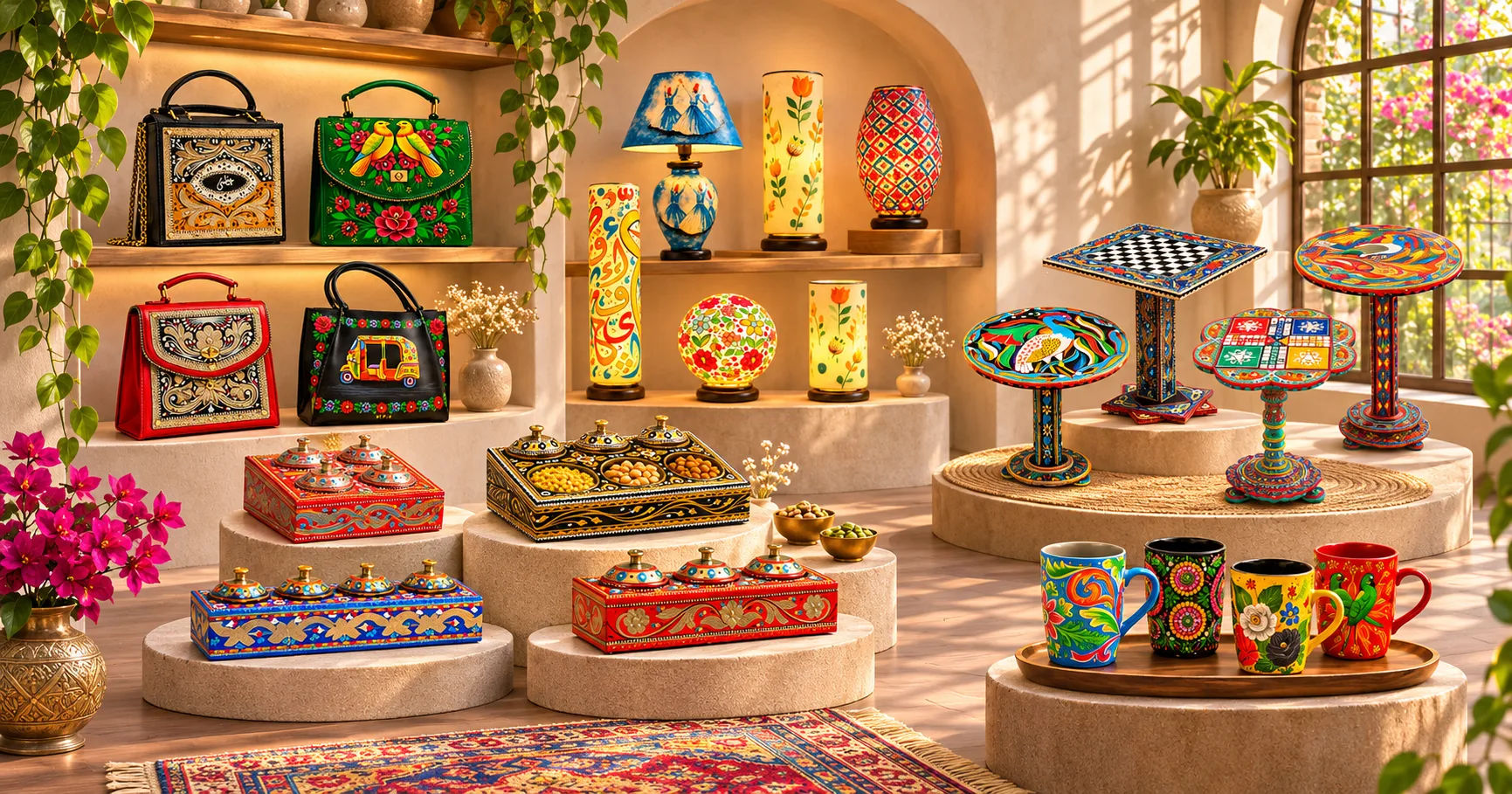 The people responsible for creating truck art come from different artistic backgrounds. Some are professional painters, while others learn their skills through family traditions, apprenticeships, or years of practical experience in local workshops. Their work requires patience, creativity, and a deep understanding of traditional designs. Every painted flower, bird, landscape, and decorative pattern reflects the artist's personal style and cultural surroundings.
Understanding who these artists are helps us appreciate the human effort behind this colorful tradition. From painters and sign writers to metalworkers, woodcarvers, and decorative craftsmen, many skilled individuals contribute to the appearance of decorated trucks. Their combined efforts preserve cultural heritage while allowing traditional creativity to develop in modern ways.
Artists Behind Truck Art
The artists who decorate truck Art are generally skilled craftspeople who specialize in painting and vehicle decoration. They work in workshops, roadside garages, and specialized decoration markets. Some focus entirely on painting, while others create decorative parts that complete the overall appearance of a vehicle.
Unlike artists who work mainly on paper or canvas, these painters use trucks as their artistic surfaces. They transform large vehicle bodies into colorful displays that can be seen on highways, streets, and transport routes.
Many artists develop their own recognizable techniques. Some prefer detailed floral patterns, while others specialize in portraits, landscapes, or traditional calligraphy.
Their work combines artistic ability with practical knowledge. They must understand different vehicle surfaces, paint materials, weather conditions, and the challenges of decorating large moving objects.
Where Do Truck Artists Come From?
Traditional Artistic Communities
In Pakistan, many vehicle decoration artists come from communities where painting and craftsmanship have been practiced for generations. Their skills are often passed from older family members to younger relatives.
Children growing up around workshops become familiar with brushes, colors, patterns, and decorative techniques. They may begin by observing experienced painters before gradually learning basic tasks.
This traditional learning system helps preserve artistic knowledge. Instead of depending entirely on formal education, many craftsmen develop their abilities through direct experience.
Famous Truck Decoration Centers
Certain Pakistani cities have become important centers for vehicle decoration and artistic craftsmanship.
Karachi is particularly well known for its truck decoration workshops. Transport businesses, vehicle owners, painters, and craftsmen contribute to a busy creative environment.
Other cities, including Rawalpindi, Lahore, Peshawar, and Quetta, also have skilled workers involved in traditional vehicle decoration.
These locations provide opportunities for artists to learn from experienced craftsmen, develop individual styles, and earn a living through their abilities.
Different Types of Artists Involved in Truck Art
Decorating a truck is rarely the responsibility of one person. It usually involves several specialists who contribute different skills.
1. Truck Painters
Truck painters are among the most important artists in this tradition. They create the main visual designs that make decorated vehicles recognizable.
Their work includes painting flowers, birds, animals, landscapes, portraits, and decorative borders. Some painters also add traditional sayings, poetry, and religious expressions when requested by vehicle owners.
A skilled painter understands how colors work together. They know which combinations create strong visual effects and how to arrange patterns across different sections of a vehicle.
Painting a truck requires considerable patience because its body contains large surfaces, corners, edges, and complicated shapes.
2. Sign Writers and Calligraphy Artists
Sign writers and calligraphy artists contribute another important element. They create lettering, names, messages, poetry, and decorative writing.
Their work often appears on the back, sides, and front sections of trucks. Some artists specialize in Urdu lettering, while others work with regional languages and different writing styles.
Their lettering must remain readable from a distance. Therefore, they carefully select letter shapes, colors, sizes, and decorative backgrounds.
Poetry and short messages can communicate humor, emotions, personal beliefs, and cultural values. These written elements give decorated vehicles an identity beyond their appearance.
3. Metalworkers
Metalworkers create decorative components that give trucks an attractive appearance. Their work may include metal ornaments, frames, protective fittings, and other customized features.
Some craftsmen specialize in shaping metal into attractive decorative designs. Others polish and finish components to create a shiny appearance.
These decorative elements work together with painted designs. Although metalworkers may not use traditional painting techniques, their craftsmanship plays an important role in the overall artistic presentation.
4. Woodcarvers and Woodworkers
Woodworkers create carved panels and decorative wooden elements used in certain traditional vehicle designs.
Their work may involve shaping wood, carving patterns, and preparing decorative sections for painting.
Some wooden components feature floral patterns, geometric shapes, and traditional designs. These pieces demonstrate how different crafts contribute to the artistic identity of decorated vehicles.
5. Decorative Accessory Makers
Another group consists of craftsmen who create smaller decorative accessories.
Depending on the vehicle owner's preferences, these workers may produce colorful hanging decorations, reflective ornaments, customized fittings, and other visual additions.
Their contribution helps complete the appearance of the vehicle. Even small decorative details can make a noticeable difference when combined with larger paintings and patterns.
Famous Artists Associated With Truck Art
Although many craftsmen work without receiving public recognition, several Pakistani artists have helped introduce this traditional art form to wider audiences.
Haider Ali
Haider Ali is one of the internationally recognized Pakistani artists associated with traditional vehicle painting.
He became known for his ability to reproduce the colorful visual language of decorated trucks on different artistic surfaces. His work has helped introduce Pakistani vehicle decoration traditions to international audiences.
Haider Ali has also participated in artistic projects and demonstrations that highlight the techniques behind this distinctive style.
His contribution is important because he has helped show that traditional vehicle painting can be appreciated as a serious artistic practice rather than simply commercial decoration.
Truck Artists of Karachi
Karachi has many talented painters who contribute to the development of this tradition.
Many of these craftsmen work in specialized workshops and receive orders from transport companies and individual vehicle owners.
Although their names may not appear in newspapers or international exhibitions, their skills are visible on vehicles throughout the city.
They often develop their own approaches to floral designs, lettering, landscapes, and decorative borders.
Peshawar's Traditional Craftsmen
Peshawar also has a strong association with traditional vehicle decoration.
Artists working in this region often use visual elements influenced by local culture and regional craftsmanship.
Their work may include detailed patterns, traditional colors, portraits, and decorative writing.
These craftsmen contribute to the diversity of Pakistani artistic traditions by maintaining regional approaches to vehicle decoration.
How Do Truck Artists Learn Their Skills?
Most traditional vehicle painters develop their abilities through practical experience rather than formal art education.
Learning Through Apprenticeships
Apprenticeships are among the most common ways to enter this profession.
A beginner usually joins an experienced painter or workshop. At first, they observe how professionals prepare surfaces, organize colors, and create basic designs.
They may then practice simple lines, shapes, and patterns under supervision.
Over time, they develop the ability to complete more complicated sections of a vehicle.
Family Traditions
Some artists learn from their parents, relatives, or other family members.
In these situations, artistic knowledge becomes part of a family occupation. Younger generations grow up watching experienced craftsmen and gradually develop their own abilities.
This method helps preserve techniques that might otherwise disappear.
Self-Learning and Experimentation
Not every artist follows a traditional apprenticeship.
Some learn independently by observing decorated vehicles, practicing designs, and experimenting with different materials.
They may combine traditional patterns with modern influences to create distinctive styles.
This willingness to experiment allows the art form to continue changing while maintaining its cultural identity.
What Makes These Artists So Special?
The artists behind decorated trucks possess several qualities that distinguish their work from ordinary vehicle painting.
Creativity and Imagination
A successful artist must imagine how different designs will look across the entire vehicle.
They need to balance colors, shapes, patterns, and written elements.
Their creativity allows them to turn ordinary vehicle surfaces into expressive compositions.
Patience and Attention to Detail
Many decorative patterns contain numerous small elements.
Artists must work carefully to maintain consistent shapes, clean outlines, and balanced arrangements.
Even a small mistake can affect the appearance of a larger design.
Cultural Understanding
Traditional vehicle painters often understand the cultural meanings behind particular colors, symbols, and messages.
They recognize the importance of regional traditions, poetry, religious expressions, and familiar visual themes.
This understanding allows them to create artwork that connects with local communities.
Practical Knowledge
Painting a moving vehicle requires more than artistic talent.
Artists must understand different surfaces, suitable materials, preparation methods, and protective finishes.
They also need to consider how sunlight, dust, rain, and road conditions affect their work.
What Themes Do Truck Artists Commonly Use?
The subjects chosen by artists often reflect everyday life, cultural traditions, and personal preferences.
Floral Patterns
Flowers are among the most popular decorative subjects.
Artists paint roses, leaves, vines, and other natural designs across vehicle surfaces. These patterns create colorful backgrounds and decorative borders.
Birds and Animals
Birds, horses, lions, peacocks, and other animals frequently appear in traditional designs.
These images may represent beauty, strength, freedom, or other cultural associations.
Landscapes and Natural Scenery
Some painters create pictures of mountains, rivers, lakes, gardens, and other natural surroundings.
These scenes provide visual variety and often reflect the landscapes associated with different regions.
Portraits and Personal Messages
Portraits of famous personalities and meaningful figures may also appear on vehicles.
Vehicle owners sometimes request particular images or messages that represent their interests and personal identities.
Poetry and Traditional Sayings
Poetry is another important feature.
Artists write short verses, humorous statements, and emotional messages that communicate different aspects of everyday life.
These words make decorated trucks recognizable as moving expressions of personal and cultural identity.
How Truck Artists Work With Vehicle Owners
The relationship between an artist and a vehicle owner is an important part of the decoration process.
Before beginning a project, the painter usually discusses the owner's preferences, budget, and desired appearance.
Some owners prefer traditional patterns, while others request modern combinations or personalized messages.
Artists may also recommend suitable colors and designs based on the vehicle's shape and size.
Once the basic design is agreed upon, craftsmen begin preparing the different sections.
The painting process can take several days or longer, depending on the complexity of the decoration and the number of workers involved.
Good communication helps ensure that the finished vehicle reflects the owner's expectations while allowing the artist to demonstrate creative skill.
The Challenges Faced by Truck Artists
Despite their abilities, many traditional painters face professional and financial challenges.
Limited Recognition
Many craftsmen produce beautiful work without receiving the recognition given to gallery artists or internationally famous painters.
Their names may remain unknown even when their designs are admired by thousands of people.
Financial Difficulties
Income can depend on the number of available orders, the complexity of each project, and competition between workshops.
Some artists also face rising material costs, making it difficult to maintain consistent earnings.
Changing Vehicle Designs
Modern commercial vehicles sometimes have different body shapes and surfaces.
These changes may affect traditional decoration methods and require artists to develop new techniques.
Competition From Modern Printing
Digital printing and machine-produced graphics offer vehicle owners alternative decoration options.
Although these technologies can reproduce detailed designs quickly, they also create competition for traditional hand painters.
However, handmade decoration continues to attract customers who value originality and craftsmanship.
How Modern Technology Is Changing Truck Art
Technology has created new opportunities for traditional artists.
Digital tools allow painters to experiment with patterns, prepare designs, and show customers possible decoration ideas before beginning work.
Social media has also made it easier to share completed projects with people outside local markets.
Artists can display their work through photographs and videos, helping them reach customers, cultural organizations, and international audiences.
Some contemporary designers combine traditional hand-painted elements with digital graphics and modern materials.
However, technology does not completely replace the skill required for traditional painting. Handmade designs continue to offer individual details and personal expression that many customers appreciate.
The Cultural Importance of Truck Artists
The importance of these artists extends beyond decorating commercial vehicles.
Their work helps preserve traditional painting techniques, regional patterns, and cultural expressions.
Every generation of craftsmen contributes to this visual heritage by maintaining older methods and introducing new ideas.
Their artwork also communicates aspects of Pakistani society to people who may not be familiar with its cultural traditions.
International exhibitions, cultural festivals, and artistic collaborations have helped introduce these designs to wider audiences.
The growing interest in this tradition creates opportunities for painters to receive greater recognition and participate in creative projects beyond the transport industry.
How Can Young People Become Truck Artists?
Young people interested in this profession can develop their skills through several practical steps.
Start With Basic Drawing
Learning to draw simple shapes, flowers, leaves, and patterns provides a useful foundation.
Beginners should practice regularly and focus on improving their control and accuracy.
Find an Experienced Mentor
Working with an experienced painter allows beginners to understand traditional techniques.
A mentor can explain how to prepare surfaces, select materials, and organize complicated designs.
Practice Different Styles
Young artists should explore floral painting, geometric patterns, lettering, and landscape illustration.
Experimenting with different subjects helps them discover their strengths.
Materials
Learning about paints, brushes, surface preparation, and protective finishes is important.
Artists should understand how to select appropriate materials for different vehicle surfaces.
Build a Portfolio
Photographs of completed artwork can help beginners demonstrate their abilities.
A portfolio also allows potential customers to understand an artist's style and level of experience.
With patience, practice, and professional guidance, young people can develop this traditional craft into a rewarding occupation.
Conclusion
The artists behind truck art are talented painters, sign writers, metalworkers, woodcarvers, and decorative craftsmen who contribute to one of Pakistan's most recognizable cultural traditions. Their work transforms ordinary transport vehicles into colorful expressions of creativity, identity, and heritage.
Although some artists, such as Haider Ali, have achieved international recognition, thousands of skilled craftsmen continue working in local workshops without widespread public attention. Their experience, patience, and artistic abilities help preserve traditional techniques while allowing new designs to develop.
These artists learn through apprenticeships, family traditions, personal practice, and years of professional experience. They combine cultural knowledge with technical skills to produce detailed paintings, decorative lettering, landscapes, floral patterns, and other creative elements.
Modern technology has introduced new opportunities, but traditional handmade craftsmanship remains an important part of the profession. Supporting these artists through recognition, fair payment, training opportunities, and cultural exhibitions can help protect their work for future generations.
Ultimately, the people behind truck art deserve appreciation not only for the beauty they create but also for the cultural stories they communicate. Their artistic contributions demonstrate that creativity can exist in unexpected places, including the vehicles that travel along everyday roads. By recognizing their skills and preserving their traditions, society can ensure that this remarkable form of Pakistani craftsmanship continues to inspire people around the world.