
Sportswear has become an essential part of everyday life, whether people are running outdoors, exercising at the gym, playing team sports, or enjoying a long walk. Comfort is one of the most important features of workout clothing, and breathability plays a major role in keeping the body cool and dry during physical activity. When clothing allows air to circulate and sweat to escape, people can exercise more comfortably and focus on their performance.
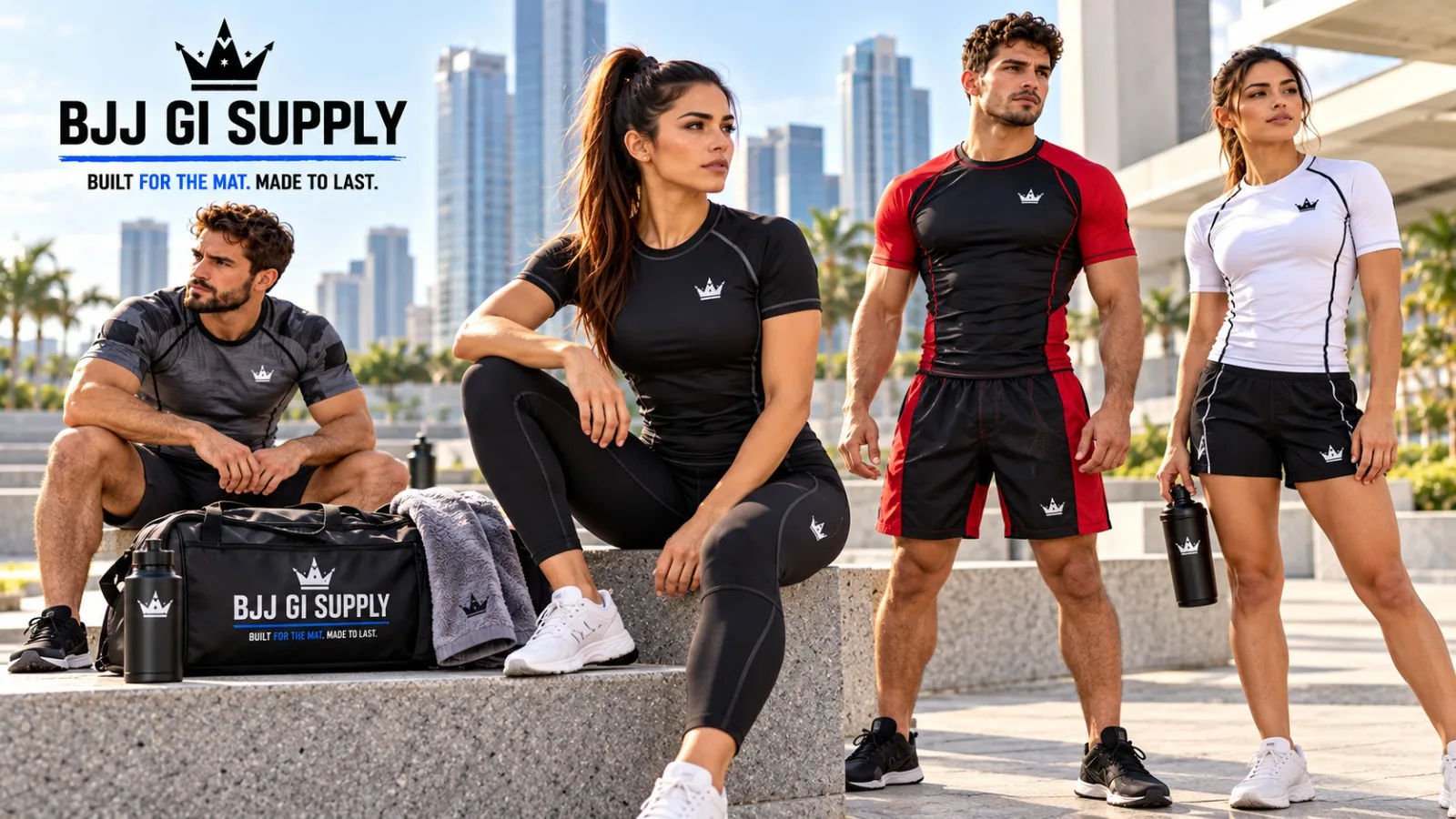
Unlike ordinary clothing, sports clothing is designed to support movement, manage moisture, and handle the demands of physical activity. The materials, fabric structure, stitching, and overall design all contribute to how well a garment performs during exercise.
Understanding what makes Sports Wears breathable can help you choose suitable clothing for different activities, temperatures, and workout intensities. Breathable fabrics can reduce the uncomfortable feeling of trapped heat and moisture, making exercise more enjoyable. However, not every lightweight garment is breathable, and not every fabric that absorbs sweat will dry quickly.
This comprehensive guide explains how breathability works, which materials perform well, how fabric construction affects airflow, and what to consider when choosing comfortable workout clothing.
Breathability in Sportswear
Breathability refers to a fabric's ability to allow air and water vapor to pass through it. In workout clothing, this feature helps heat and moisture move away from the body instead of becoming trapped between the skin and the garment.
During exercise, your muscles produce heat, and your body sweats to help regulate its temperature. If your clothing prevents moisture from escaping, sweat can accumulate, leaving the fabric damp and uncomfortable.
Breathable clothing helps manage this process by supporting airflow and moisture movement.
How Breathability Works
Breathability depends on several factors, including the type of fiber, the spaces between threads, the thickness of the material, and any coatings applied to the fabric.
Some fabrics allow air to pass through small spaces in their structure. Others are designed to transport water vapor away from the skin, even when their airflow is more limited.
These properties are related but not identical. A fabric may allow air to circulate while absorbing considerable moisture, or it may move sweat efficiently without allowing much air to pass through.
The best option depends on the activity and environmental conditions.
Why Breathability Matters During Exercise
When you exercise, your body needs to release excess heat. Clothing that traps heat and sweat can make you feel uncomfortable, particularly during intense workouts or in hot weather.
Breathable garments help create a more comfortable environment around your skin. They can also reduce the heavy, sticky feeling that occurs when sweat remains in contact with your body.
For athletes, comfort matters because distractions can affect concentration and the enjoyment of physical activity.
1. Fabric Material Plays a Major Role
The material used to make a garment is one of the biggest factors influencing breathability. Different fibers handle air, moisture, and heat in different ways.
Manufacturers select materials according to the intended activity, expected weather conditions, durability requirements, and desired level of comfort.
Polyester
Polyester is widely used in workout shirts, running shorts, leggings, and team uniforms.
It is lightweight, durable, and can be engineered to move moisture away from the skin. Many polyester fabrics use specially designed fibers or surface structures to help sweat spread across the material, allowing it to evaporate more quickly.
Polyester generally absorbs less water into its fibers than cotton. This can help garments dry quickly, although the actual performance depends on the fabric construction and finish.
For people who exercise regularly, polyester can be a practical choice because it combines durability with relatively easy care.
Nylon
Nylon is another common material in athletic clothing. It is valued for its strength, flexibility, and smooth texture.
It is often used in leggings, sports bras, fitted tops, and lightweight outer layers. Nylon fabrics can stretch comfortably and withstand repeated movement.
Breathability varies according to the fabric's thickness, weave, and finishing treatments. Lightweight nylon with an open construction may provide good airflow, while tightly constructed nylon may retain more heat.
Some garments combine nylon with elastane to improve flexibility and create a close, supportive fit.
Cotton
Cotton is a natural fiber known for its softness and comfort. It allows air to move through many fabric constructions and can feel pleasant during light activities.
However, cotton absorbs moisture and often dries more slowly than performance-oriented synthetic fabrics. During intense exercise, a cotton shirt may become heavy and remain damp for an extended period.
This makes cotton less suitable for some high-intensity workouts, particularly in humid conditions.
For casual walking, stretching, and low-intensity activities, cotton may still be comfortable. The best choice depends on how much you sweat and how long you exercise.
Merino Wool
Merino wool is used in some premium athletic garments, especially clothing designed for hiking, running, and outdoor activities.
It can help manage moisture, regulate temperature, and reduce the buildup of unpleasant odors. Lightweight merino fabrics may feel comfortable across a range of conditions.
However, not all wool garments are suitable for intense exercise or hot weather. Fiber quality, fabric weight, and garment construction influence their performance.
Merino wool can also be more expensive than many synthetic alternatives, so it may not fit every budget.
2. Moisture-Wicking Technology Keeps Skin Drier
Moisture-wicking technology is one of the most important features found in modern athletic clothing.
Although people often use breathability and moisture-wicking interchangeably, they describe different properties. Breathability concerns the movement of air and water vapor, while moisture wicking refers to the movement of liquid sweat across a fabric's surface.
How Moisture Wicking Works
Moisture-wicking fabrics use fiber properties and fabric structures that help draw liquid away from the skin and spread it across a larger surface area.
As the sweat spreads, it can evaporate more easily when environmental conditions allow.
This process helps reduce the feeling of concentrated moisture against the body. It can also make a garment feel less clammy during workouts.
However, moisture-wicking clothing does not prevent sweating. Instead, it helps manage sweat after your body produces it.
Why Quick-Drying Fabrics Matter
A fabric that dries quickly can be more comfortable during prolonged exercise, particularly when you sweat heavily.
Quick-drying materials are useful for runners, cyclists, gym users, and people who participate in outdoor sports.
They can also be practical when you need to wash and reuse workout clothing regularly.
When shopping, look for descriptions such as moisture-wicking, quick-drying, or performance fabric. Remember that these labels describe intended features, and the quality of performance can vary between products.
3. Mesh Panels and Ventilation Zones Improve Airflow
Even when a garment uses a suitable fabric, its design can influence how comfortably it handles heat.
Mesh panels and ventilation zones create areas where air can circulate more freely. They are commonly placed in parts of the body that tend to become warm during exercise.
What Is Mesh Fabric?
Mesh is a textile structure with small openings that allow air to move through the material.
Because it contains spaces between the threads, mesh can provide more direct airflow than many tightly woven fabrics.
It is often used in running shirts, sports jerseys, training tops, and athletic shorts.
The size of the openings, the thickness of the threads, and the amount of mesh used all affect performance. Very open mesh can improve ventilation but may offer less coverage or durability than a denser material.
Strategic Ventilation Placement
Manufacturers may place mesh panels under the arms, across the upper back, along the sides, or in other areas where heat tends to build up.
These locations can help release excess warmth during movement.
For example, a running shirt with mesh underarm panels may feel more comfortable than a similarly weighted shirt without ventilation zones.
The design is especially useful for activities that generate significant body heat, such as running, cycling, football, and high-intensity interval training.
4. Fabric Weave and Knit Structure Affect Airflow
The way fibers are arranged into a fabric can be just as important as the fibers themselves.
Two garments made from the same material may feel very different because one has a loose construction while the other has a dense structure.
Open Weaves and Lightweight Knits
Fabrics with more open structures often allow air to pass through more easily.
Knitted fabrics are popular in athletic clothing because they can provide flexibility, comfort, and different levels of ventilation.
Some performance knits feature tiny openings or textured surfaces that help improve airflow and moisture movement.
Lightweight construction can also reduce the amount of material holding heat close to the body.
However, an open structure is not automatically ideal. The fabric must still provide sufficient coverage, durability, and support for the intended activity.
Why Tight Fabrics Can Feel Warmer
Dense fabrics have fewer open spaces for air to pass through. Depending on their thickness and finish, they may trap more heat than lighter, more open materials.
This does not mean that every tightly knitted garment is uncomfortable. Compression clothing, for example, can be engineered with moisture management and ventilation features.
The key is finding a balance between fabric density, stretch, support, and airflow.
5. Lightweight Construction Improves Comfort
The weight of a garment can influence how it feels during movement.
Lightweight athletic clothing generally uses less material or thinner textile structures, which may help reduce heat retention and improve comfort during vigorous exercise.
Benefits of Lightweight Sports Clothing
Lightweight garments can feel less restrictive during running, jumping, and other activities that involve repeated movement.
They may also dry more quickly when their materials and construction support efficient moisture release.
For outdoor athletes, lighter clothing can be particularly useful during warm weather because it reduces the amount of fabric surrounding the body.
However, lightweight does not always mean breathable. A thin garment made from a dense, non-porous material may still restrict airflow.
Similarly, a lightweight shirt may not provide enough insulation for cold-weather activities.
Choosing the Right Fabric Weight
For hot-weather workouts, lightweight shirts and shorts are often practical choices.
For colder conditions, layered clothing may work better. A breathable base layer can help manage moisture, while additional layers provide warmth when needed.
This approach allows you to adjust your clothing to changing activity levels and weather conditions.
6. A Good Fit Supports Breathability
Fit is another important part of breathable athletic clothing.
Even a high-quality fabric may feel uncomfortable if the garment is too tight, too loose, or poorly designed for the activity.
The Problems With Clothing That Is Too Tight
Tight clothing can restrict movement and may press fabric closely against the skin, reducing the space available for air circulation.
However, a close fit is not always a disadvantage. Compression garments are designed to fit closely and may still manage moisture effectively.
The important point is to choose clothing that provides the intended support without causing discomfort or limiting movement.
Why Oversized Clothing Is Not Always Better
Loose clothing can allow air to circulate, but excessive fabric may interfere with certain sports.
For example, loose material can become distracting during cycling, weightlifting, or fast-paced team activities.
The best fit depends on the sport. Running tops often benefit from a comfortable, relatively light fit, while some training garments require a closer fit to remain in place during movement.
When choosing Sports Wears bjj gi wholesales , consider the activity, range of motion, and fabric properties rather than relying on fit alone.
7. Seam Design and Construction Reduce Discomfort
Breathability is not determined by fabric alone. The way a garment is assembled also affects how comfortable it feels.
Seams, linings, elastic bands, and extra layers can influence ventilation and moisture buildup.
Flat Seams and Reduced Friction
Flat seams are designed to sit more smoothly against the skin than some traditional raised seams.
They can help reduce rubbing during repetitive movements, particularly in running shirts, leggings, and fitted sports tops.
Although flat seams do not automatically make a garment more breathable, reducing friction can improve overall comfort.
This matters during long workouts when repeated movement may cause irritation.
Linings and Extra Layers
Some garments include inner linings for support, coverage, or comfort.
However, additional layers can also influence airflow and moisture retention. A garment with thick lining in a warm environment may feel less comfortable than a simpler design.
Look for construction that suits your needs. Sports bras, compression shorts, and lined running shorts may require extra support, while lightweight training tops may benefit from fewer layers.
8. Different Sports Require Different Levels of Breathability
Not every sport places the same demands on clothing. The ideal fabric depends on the intensity of movement, the environment, and how much sweat the activity produces.
Running and Jogging
Running generates heat through continuous movement, making moisture management and ventilation important.
Lightweight shirts, breathable shorts, and moisture-wicking socks can help keep runners comfortable.
For outdoor running in warm conditions, fabrics that dry quickly and designs with mesh panels can be especially useful.
Gym Training
Gym workouts vary from light stretching to intense strength training and cardio sessions.
For high-intensity workouts, moisture-wicking fabrics and ventilation zones can improve comfort.
For weightlifting, a garment should also allow a full range of movement without becoming caught on equipment.
Football and Team Sports
Football, basketball, and similar sports involve quick movements, acceleration, and frequent changes in direction.
Team jerseys often use lightweight synthetic fabrics designed to manage moisture while remaining durable.
Ventilation and flexible construction help support the demands of these activities.
Cycling
Cyclists may benefit from fitted garments that reduce excess fabric while providing airflow.
Many cycling tops include ventilation panels and moisture-wicking materials to help manage sweat during long rides.
Because riding conditions can change, cyclists may also need layers that balance breathability with protection against wind or rain.
Yoga and Low-Intensity Exercise
Yoga and stretching require flexibility and comfort.
Soft, stretchy fabrics can help support movement without creating unnecessary pressure or irritation.
Breathability remains useful, particularly during heated yoga sessions, but the need for moisture management may differ from that of long-distance running.
9. How to Choose Breathable Sportswear
Choosing the right clothing becomes easier when you know what to look for.
Check the Fabric Label
Read the product label to identify the materials used. Polyester, nylon, merino wool, and blended fabrics can all perform well when designed appropriately.
Look for moisture-wicking features if you expect to sweat heavily.
Avoid assuming that a particular fiber guarantees good performance. Fabric construction and garment design are also important.
Consider the Climate
For hot and humid weather, prioritize lightweight fabrics, ventilation, and quick drying.
For colder conditions, choose layers that manage moisture while retaining enough warmth.
If you exercise outdoors, consider whether the garment provides suitable protection from wind, rain, or strong sunlight.
Test Comfort and Movement
Try the garment on and perform simple movements such as reaching overhead, bending, squatting, or stretching.
Check that the material does not pull uncomfortably or restrict your range of motion.
Pay attention to areas where sweat and friction commonly occur, such as the underarms, waistband, and inner thighs.
Balance Performance With Durability
Breathable clothing should also withstand regular use and washing.
Check the stitching, fabric quality, and care instructions. A garment that loses its shape or performance quickly may not offer good long-term value.
Choose clothing that fits your budget while meeting your activity needs.
10. How to Maintain Breathable Sportswear
Proper care helps preserve the performance and lifespan of athletic clothing.
Sweat, body oils, detergent residue, and frequent washing can affect fabric feel and performance over time.
Wash Clothing Correctly
Follow the manufacturer's washing instructions. Many performance garments benefit from washing in cool or warm water, depending on the label, with an appropriate amount of detergent.
Avoid using fabric softener unless the garment manufacturer specifically permits it. Some softeners can leave residues that interfere with moisture management.
Separate heavily soiled clothing when necessary, and avoid leaving sweaty garments damp in a gym bag for long periods.
Dry the Garments Properly
Air drying is often a good choice for synthetic athletic fabrics because excessive heat can damage some fibers, elastic components, or printed designs.
If you use a dryer, follow the care label's temperature recommendations.
Allow clothing to dry fully before storing it to reduce unpleasant odors.
Replace Worn-Out Items
Over time, elastic materials can lose their stretch, seams can weaken, and fabrics can become damaged.
If your workout clothing no longer fits properly or has developed persistent odor or visible damage, consider replacing it.
Maintaining your clothing helps preserve comfort, hygiene, and performance during exercise.
Conclusion
Breathability is one of the most important features of comfortable workout clothing. It depends on several connected factors, including fiber type, moisture-wicking performance, fabric structure, ventilation panels, garment weight, fit, and construction.
Materials such as polyester and nylon are widely used because they can be engineered to combine durability, flexibility, and effective moisture management. Cotton may be comfortable for lighter activities, while merino wool can offer useful temperature and odor-management properties in suitable designs. However, no single fabric is best for every sport or climate.
Mesh panels, open-knit structures, lightweight construction, and thoughtful seam placement can further improve comfort. The right combination helps clothing manage heat and moisture while allowing you to move freely.
When selecting Sports Wears, consider the activity you perform, the weather, the amount you sweat, and the fit you find comfortable. Read product labels, examine the construction, and follow proper care instructions to help maintain performance over time.
Ultimately, breathable sportswear should support your body rather than distract you during exercise. By understanding how fabrics and garment designs work together, you can make better purchasing decisions, enjoy greater comfort, and choose clothing that suits your fitness goals.