
Yes, inspections are an important part of roof maintenance. They help identify small problems before they develop into leaks, structural damage, or expensive repairs. An inspection is not the same thing as repairing or cleaning a roof, but it gives homeowners and property managers the information needed to keep the roofing system in good condition. 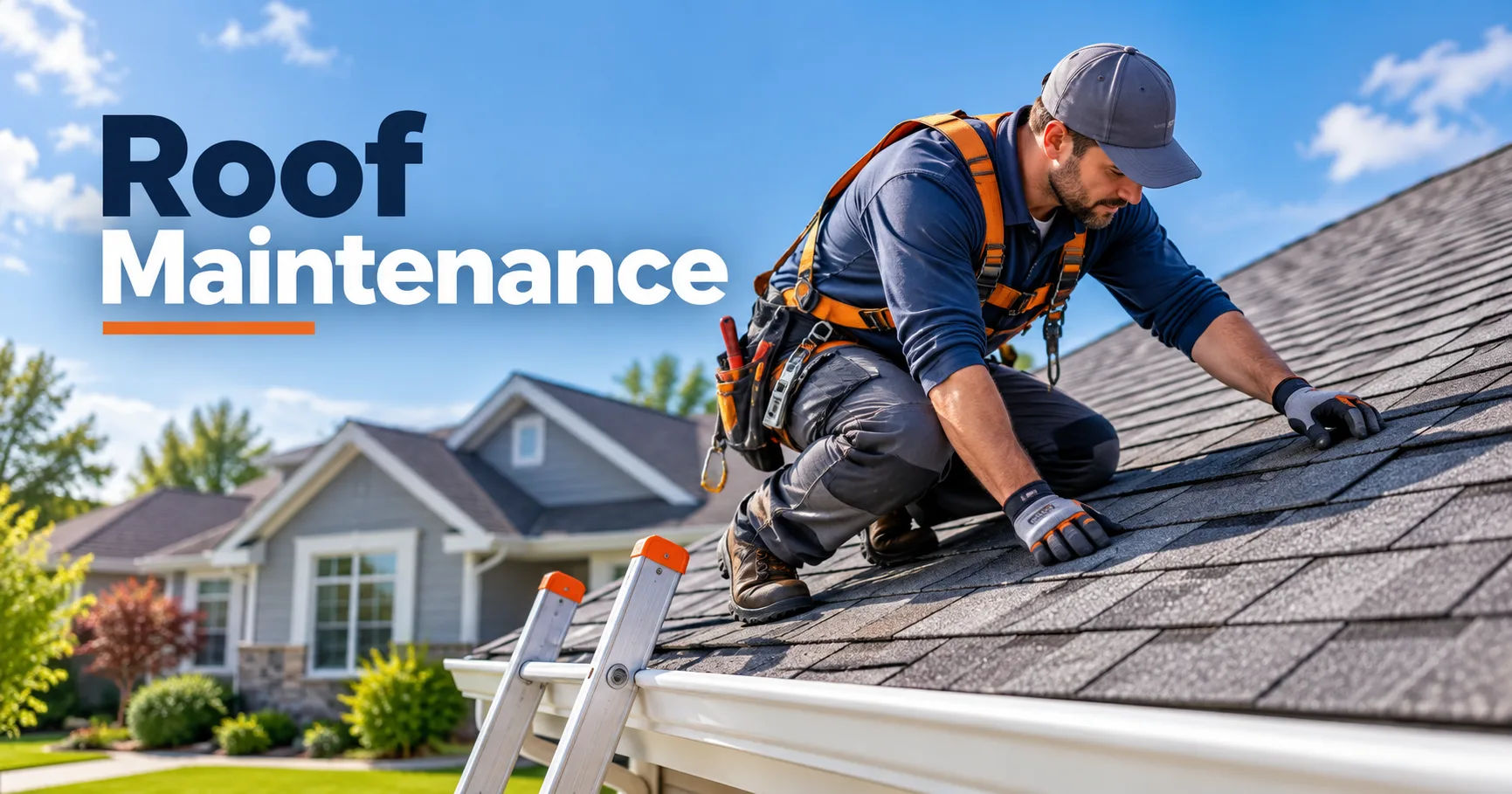 Roof maintenance generally includes a combination of inspections, cleaning, minor repairs, drainage checks, flashing inspections, and preventive work. The exact tasks depend on the roof's material, age, design, climate, and condition.
Understanding how inspections fit into routine care can make it easier to protect a roof and avoid unexpected repair bills.
What Is a Roof Inspection?
A roof inspection is a systematic examination of the roofing system. The person performing the inspection looks for visible signs of deterioration, damage, moisture intrusion, poor drainage, and other conditions that could affect performance.
An inspection may be performed from the ground, from a ladder, from the roof surface, or through a combination of methods. For some roofs, additional tools or interior inspections may be necessary.
The purpose is not simply to decide whether a roof is leaking today. A good inspection also considers developing problems that might cause trouble later.
For example, a few damaged shingles may not be causing a leak yet. However, if they remain exposed to wind and rain, water could eventually reach the underlying materials.
Why Inspections Matter for Roof Maintenance
Inspections provide the information needed to determine what maintenance work is actually necessary.
Without an inspection, homeowners may overlook problems in areas that are difficult to see. A roof can appear perfectly normal from the driveway while having damaged flashing, blocked drainage, deteriorated sealant, or moisture problems.
Regular inspections also help establish a history of the roof's condition. When the same areas are checked over time, it becomes easier to notice gradual deterioration.
This makes preventive care more practical. Instead of waiting for a serious leak, a property owner can address smaller defects while they are still relatively simple.
What Does a Roof Inspection Usually Check?
A professional inspection can cover many components rather than just the visible roofing material.
Shingles, Tiles, or Membrane
The inspector checks the primary roofing material for cracks, curling, blistering, missing pieces, exposed fasteners, deterioration, or other damage.
The exact issues depend on the roofing system. Asphalt shingles, metal panels, clay tiles, concrete tiles, and flat roofing membranes all have different failure patterns.
Flashing
Flashing is installed around areas where the roof meets another structure or where openings exist.
Common locations include chimneys, vents, skylights, walls, and roof edges.
Damaged or poorly sealed flashing can allow water to enter even when the main roofing material is still in good condition.
Gutters and Downspouts
Drainage is closely connected to roof maintenance because water needs a clear path away from the roofing system and building.
Inspectors may look for blocked gutters, damaged downspouts, standing water, loose connections, and poor drainage.
Leaves, dirt, and other debris can restrict water movement. During heavy rainfall, blocked drainage can cause water to back up against roofing components.
Roof Valleys
Valleys are areas where two roof sections meet and where water often flows toward the drainage system.
Because they handle significant amounts of runoff, they deserve particular attention during an inspection.
The inspector may look for damaged materials, debris accumulation, exposed areas, or signs of previous water intrusion.
Vents and Penetrations
Roof penetrations create potential entry points for water.
Vents, pipes, exhaust outlets, skylights, and similar features must be properly sealed and integrated with the roofing system.
An inspection can reveal deteriorated seals or damaged components before they cause interior problems.
Attic and Interior Areas
A roof inspection does not always stop at the exterior.
When appropriate, the attic or upper interior spaces may be examined for water stains, damp insulation, mold growth, damaged wood, inadequate ventilation, or other signs of moisture.
Interior evidence can sometimes reveal a roofing problem that is not obvious from the outside.
Is an Inspection the Same as Roof Maintenance?
Not exactly.
An inspection is an assessment. Maintenance involves the work performed to preserve or improve the roof's condition.
For example, an inspection might discover that a gutter is blocked. Cleaning the gutter would be maintenance.
Similarly, an inspection could identify a loose flashing component. Repairing or resealing it would be maintenance work.
The two activities are closely connected because inspection tells you what needs attention.
In practical terms, inspections can be considered a key component of roof maintenance, even though the inspection itself is not necessarily a repair or cleaning service.
How Often Should a Roof Be Inspected?
There is no single schedule that applies to every roof.
A common approach is to have the roof professionally inspected periodically and to arrange additional inspections after significant weather events.
The appropriate frequency depends on factors such as roof age, material, local weather, tree coverage, previous repairs, and the property's surroundings.
Older roofs generally deserve closer attention than recently installed systems.
A roof located beneath large trees may also require more frequent observation because falling branches, leaves, moss, and debris can create additional maintenance concerns.
Severe storms are another reason to arrange an inspection. High winds, hail, heavy rainfall, and falling branches can cause damage that is not immediately noticeable from ground level.
When Should You Inspect a Roof?
After Severe Weather
A storm can damage shingles, tiles, flashing, gutters, and other components.
Even when there is no visible leak, a post-storm inspection can help identify damage before it becomes a larger problem.
Before Buying a Property
A roof inspection can provide valuable information during a property purchase.
The roof is a significant building component, and hidden deterioration may affect future repair or replacement costs.
Before Selling a Property
Homeowners may also arrange an inspection before putting a property on the market.
Knowing the roof's condition allows the owner to address problems or accurately disclose known issues.
When You Notice Interior Water Damage
Water stains on ceilings or walls should not be ignored.
Although the roof may be the source, water can travel through building materials before appearing indoors. An inspection can help identify the likely entry point.
When the Roof Is Aging
As roofing materials approach the later stages of their expected service life, inspections become increasingly useful.
The goal is not necessarily to replace an old roof immediately. Instead, inspections can help determine whether continued repairs and maintenance are reasonable or whether replacement planning should begin.
What Preventive Maintenance Can an Inspection Identify?
A thorough inspection may uncover several issues that can be addressed before they become major failures.
These may include loose or damaged roofing materials, blocked gutters, deteriorated flashing, damaged seals, minor leaks, exposed fasteners, vegetation growth, drainage problems, and areas showing unusual wear.
The advantage of finding these conditions early is relatively straightforward.
A small repair is usually easier to manage than damage involving insulation, decking, structural wood, ceilings, walls, or electrical components.
This is one reason inspections have an important role in long-term roof maintenance.
Can Homeowners Inspect Their Own Roof?
Homeowners can perform basic visual checks from a safe location, but climbing onto a roof presents fall and injury risks.
A ground-level inspection can still be useful.
Look for missing roofing materials, visible sagging, damaged gutters, excessive debris, staining, or obvious changes in the roof's appearance.
From inside the building, check accessible attic areas for water stains, dampness, or unusual odors.
However, a homeowner should not take unnecessary risks by walking across a steep, wet, fragile, or damaged roof.
Professional inspectors have the equipment and experience needed to examine difficult areas more safely.
What Happens After an Inspection?
The inspection should lead to a clear understanding of the roof's condition.
If everything appears satisfactory, the recommendation may simply be continued monitoring and routine care.
If minor problems are identified, they may be addressed through targeted repairs.
More significant deterioration may require additional evaluation or planning for replacement.
It is useful to distinguish urgent problems from conditions that can be monitored.
For example, an active leak generally deserves prompt attention. Cosmetic aging may not require the same immediate response.
A good inspection report should help the property owner understand what was found and what action, if any, is recommended.
How Inspections Help Control Long-Term Costs
One of the biggest advantages of regular inspections is better planning.
Unexpected roofing failures can be disruptive. Water can damage ceilings, insulation, drywall, flooring, furnishings, and other building components.
Preventive inspections do not guarantee that these problems will never occur, but they can improve the chances of discovering vulnerable areas earlier.
Regular roof maintenance also makes it easier to budget for repairs and eventual replacement.
Instead of discovering a major problem during a storm, a property owner may have an opportunity to plan for necessary work in advance.
Inspection Considerations for Different Roof Types
Different roofing materials require different inspection priorities.
Asphalt Shingles
Inspectors often look for missing, cracked, curling, or damaged shingles, as well as deteriorated flashing and exposed areas.
Metal Roofing
Metal roofs require attention to corrosion, fasteners, seams, panel movement, flashing, and sealants.
Tile Roofing
Tiles can crack or break from impact, weather exposure, or foot traffic. Underlayment and flashing may also require examination.
Flat Roofs
Flat roofing systems deserve particular attention to drainage and ponding water. Membrane seams, penetrations, flashing, and surface deterioration are also important.
The inspection process should therefore be appropriate for the specific roofing system rather than based on a one-size-fits-all checklist.
Does Roof Maintenance Include Inspection Services?
In many professional roofing programs, inspections are included as part of broader maintenance services or are offered as a closely related preventive service.
However, the exact definition of a maintenance package varies between roofing companies and service agreements.
Some packages may include scheduled inspections, gutter cleaning, minor repairs, sealant work, and drainage checks.
Other providers may charge separately for a formal inspection.
For this reason, property owners should ask what is actually included before purchasing a maintenance plan.
Questions about inspection frequency, reporting, minor repairs, emergency visits, cleaning, and exclusions can prevent misunderstandings.
How to Build a Practical Roof Care Routine
A practical approach combines regular observation with professional inspections and timely repairs.
Start by keeping records of the roof's installation date, previous repairs, inspections, and known issues.
After major storms, perform a visual check from a safe location.
Keep drainage systems clear and remove debris when appropriate.
Pay attention to interior warning signs such as stains, dampness, peeling paint, or unexplained moisture.
Most importantly, do not wait for a serious leak before considering the roof's condition.
Preventive roof maintenance works best when problems are identified and addressed while they are still manageable.
Conclusion
Yes, inspections are an important part of maintaining a roof, although an inspection and maintenance are not technically the same activity. An inspection evaluates the condition of the roofing system, while maintenance involves actions such as cleaning, repairing, sealing, adjusting, and preserving roofing components.
Regular inspections can identify damaged roofing materials, deteriorated flashing, drainage problems, blocked gutters, moisture intrusion, and other concerns. They can also provide useful information about how a roof is aging and whether repairs or future replacement should be planned.
The right inspection schedule depends on the roofing material, age, environment, weather exposure, and condition of the property. Additional inspections are particularly useful after severe weather or when signs of water intrusion appear.
Ultimately, effective roof maintenance is about being proactive rather than waiting for a visible failure. A roof does not always announce a developing problem with a dramatic leak. Sometimes the warning is a cracked tile, loose flashing, blocked gutter, or small stain that gradually becomes more serious. Regular inspections help bring those issues to attention and give property owners an opportunity to respond before minor defects become expensive problems.